



What's Happening?
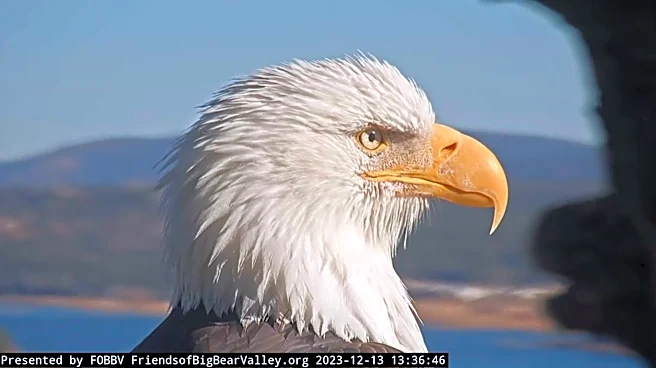
Community-driven science projects like eBird, the Macaulay Library, and iNaturalist are experiencing an increase in AI-manipulated and AI-generated photos. A recent publication in Nature highlights the threat these images pose to the scientific value
of media archives. AI can alter images by adding or removing details, which can misrepresent the natural world. This issue is compounded by the fact that many people may not realize the extent of AI alterations, as the changes often make images appear clearer and sharper. The Macaulay Library has strict guidelines against submitting AI-generated photos, emphasizing the importance of maintaining the authenticity of scientific records.
Why It's Important?
The integrity of scientific media archives is crucial for research and documentation of the natural world. AI-generated images can undermine the credibility of these archives, leading to potential misinformation and misinterpretation of scientific data. This issue raises ethical concerns about the use of AI in scientific documentation and the need for clear policies to prevent the submission of altered images. The situation also highlights the broader challenge of ensuring that technological advancements do not compromise the accuracy and reliability of scientific records.
What's Next?
The Macaulay Library and similar projects may need to implement more robust measures to detect and prevent the submission of AI-generated images. This could involve developing new technologies or protocols to identify altered media and educate contributors about the importance of maintaining the authenticity of their submissions. Additionally, the scientific community may need to engage in discussions about the ethical implications of AI in research and consider establishing industry-wide standards to address these challenges.