







What's Happening?
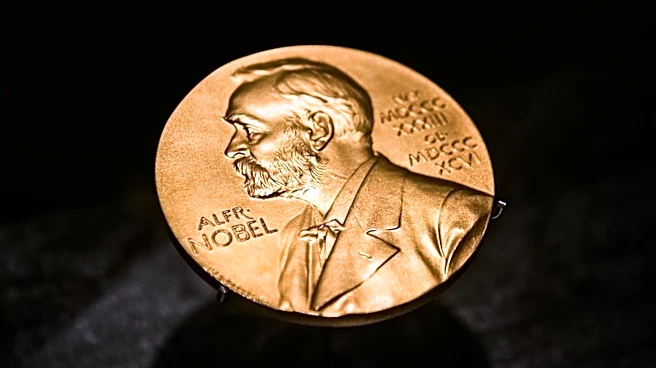
Dr. Özlem Türeci and Dr. Uğur Şahin, the founders of the German biotechnology company BioNTech, have been awarded a prestigious scientific honor named after Turkish Nobel laureate Aziz Sancar. The award recognizes their groundbreaking research into mRNA
technology, their significant contributions to the scientific and clinical development of the COVID-19 mRNA vaccine, and their innovative work in personalized cancer treatments. Their efforts led to the development of the first COVID-19 vaccine to receive regulatory approval in the Western world in 2020, bringing them international acclaim. The award was presented by Turkish President Recep Tayyip Erdoğan and Nobel Prize-winning chemist Prof. Dr. Aziz Sancar at a ceremony in Istanbul on October 31. The husband-and-wife team recently announced their departure from executive roles at BioNTech to pursue new innovations through a newly established company, which will continue their exploration of mRNA applications.
Why It's Important?
The recognition of BioNTech's founders underscores the transformative impact of mRNA technology on global health and medicine. Their pioneering work not only provided a rapid and effective response to the COVID-19 pandemic but also opened new avenues for treating a range of other diseases, including influenza, malaria, HIV, and various cancers. This advancement highlights the potential for biotechnology to address complex health challenges and accelerate vaccine development. The continued exploration of mRNA applications by Türeci and Şahin's new company suggests further innovations are on the horizon, potentially leading to more personalized and effective treatments. This scientific progress has significant implications for the U.S. healthcare sector, offering new tools for disease prevention and treatment, and potentially influencing future public health strategies and pharmaceutical investments.
What's Next?
The new company founded by Dr. Türeci and Dr. Şahin is expected to continue advancing mRNA applications, potentially leading to breakthroughs in personalized cancer treatments and vaccines for other infectious diseases. This ongoing research could result in new therapeutic options becoming available in the U.S. and globally. The success of mRNA technology may also encourage increased investment in biotechnology research and development, fostering further innovation in the field. Additionally, the recognition of their work could inspire more scientists to pursue research in novel vaccine and treatment platforms, potentially accelerating the development of solutions for future health crises. The focus on personalized cancer treatments suggests a shift towards more tailored medical interventions, which could revolutionize oncology.
Beyond the Headlines
The scientific award to the BioNTech founders symbolizes a broader shift in medical science towards rapid-response platforms and personalized medicine. mRNA technology's ability to be quickly adapted and manufactured has profound implications for pandemic preparedness, offering a blueprint for future global health emergencies. Beyond vaccines, the application of mRNA in personalized cancer therapies represents a paradigm shift, moving away from one-size-fits-all treatments to those tailored to an individual's unique genetic makeup. This approach raises ethical considerations regarding access, equity, and the cost of highly individualized treatments. The success story also highlights the critical role of international collaboration and scientific exchange in addressing global challenges, as a German company's innovation received global recognition and had a worldwide impact.