




What's Happening?
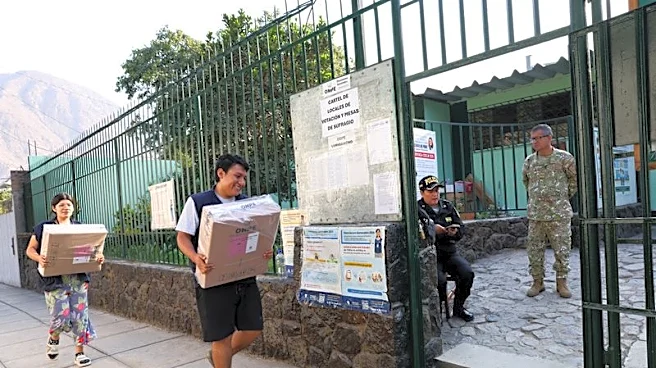
As Peruvians prepare to elect a new president and Congress, the issue of illegal mining, a significant driver of deforestation and mercury pollution, has been largely ignored in the political discourse. Despite its status as the country's largest illicit
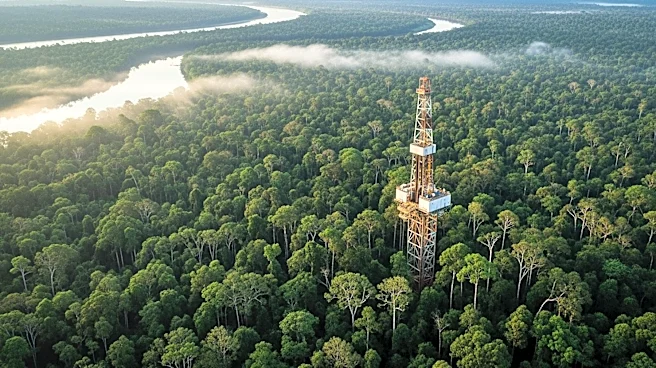
economy, generating over $11.5 billion in 2025, political parties have not prioritized it in their platforms. Experts warn that this oversight reflects a broader failure to address the environmental and public health impacts of illegal mining, which is expanding into the Amazon and Indigenous territories.
Why It's Important?
Illegal mining poses severe environmental and health risks, particularly in the Amazon, where mercury contamination from mining operations threatens local communities. The lack of political will to tackle this issue could exacerbate these problems, undermining efforts to protect biodiversity and Indigenous rights. The situation highlights the challenges of balancing economic development with environmental sustainability, a critical issue for Peru and other resource-rich countries.
What's Next?
The incoming government will face increasing pressure to address illegal mining, as its impacts continue to grow. Strengthening enforcement and developing comprehensive strategies to combat illegal mining will be crucial. This may involve enhancing traceability systems, improving coordination among government agencies, and addressing the political and economic factors that enable illegal mining to thrive.