




What's Happening?
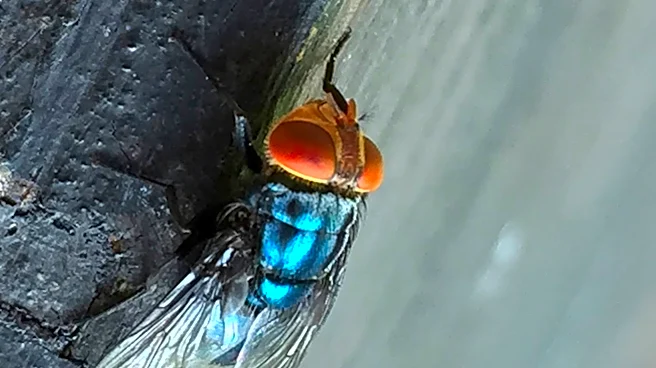
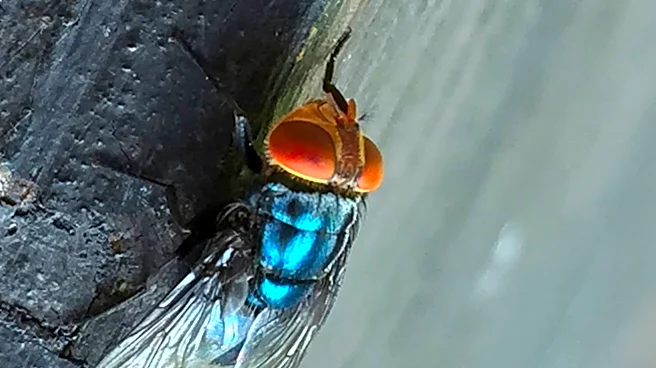
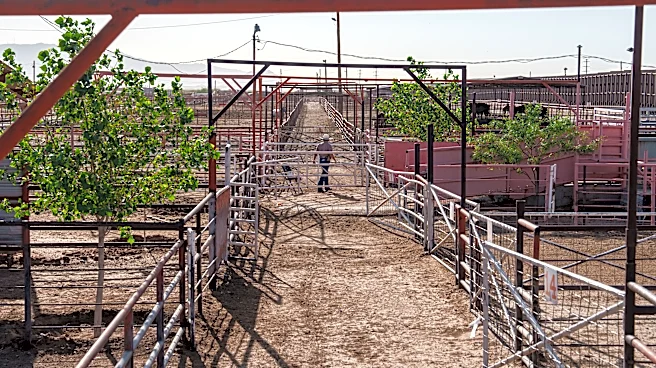
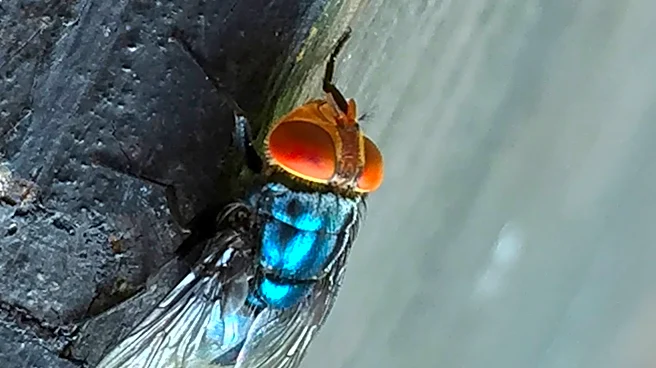
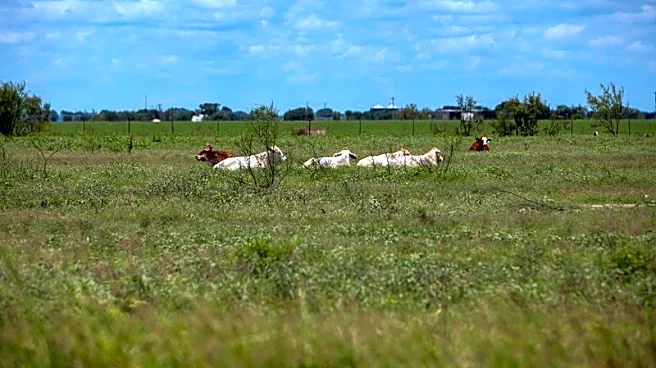
The U.S. Department of Agriculture (USDA) has confirmed the detection of the New World screwworm in a calf in southern Texas, marking the first U.S. case in decades. This parasite, known for its destructive impact on livestock, was found in Zavala County
near the Mexican border. The USDA has initiated an emergency response, including the release of sterile screwworm flies to curb the population. This technique is effective as female screwworm flies mate only once, and mating with sterile males results in no offspring. The USDA is also increasing trapping efforts, expanding wildlife monitoring, and conducting outreach to livestock owners. The pest has been moving northward through Central America and Mexico, despite containment efforts. West Virginia agriculture officials are monitoring the situation closely, although the detection is over 1,500 miles away. They have emergency plans ready should the pest spread beyond the Southwest.
Why It's Important?
The detection of the New World screwworm in Texas is significant due to its potential impact on the U.S. livestock industry. This parasite can cause severe injuries and death in livestock, leading to economic losses for ranchers through livestock losses and veterinary expenses. The USDA's swift response aims to prevent the spread of this pest, which was eradicated from the U.S. in the 1960s through similar methods. The situation underscores the importance of vigilance in monitoring and controlling agricultural pests to protect the national food supply and livestock health. The USDA's actions are crucial in maintaining the safety of the U.S. food supply, as the screwworm does not infest meat or other food products.
What's Next?
The USDA has established a unified incident command structure with the Texas Animal Health Commission and is deploying personnel to the affected area. A 20-kilometer infested zone has been set up, with quarantines and movement restrictions in place. The USDA's National Veterinary Stockpile is on standby to provide additional support if needed. West Virginia officials are encouraging local livestock producers to remain vigilant and report any unusual findings. The USDA will continue to monitor the situation and adjust its response as necessary to prevent the spread of the screwworm.