







What's Happening?
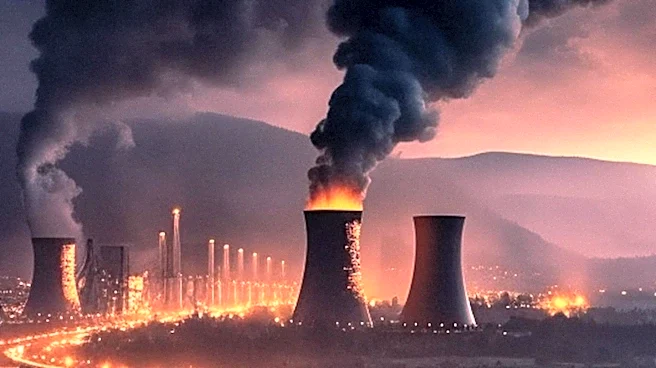
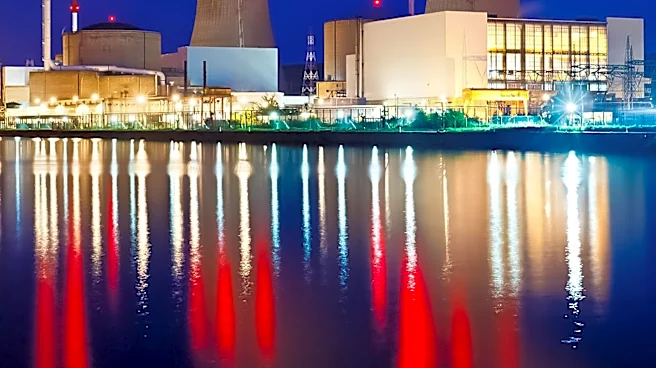
Hungary's only nuclear power plant, the Paks Nuclear Power Plant, is set to resume electricity production after a temporary shutdown due to low water levels in the Danube River. Recent rainfall in Austria has raised the river's water levels, allowing
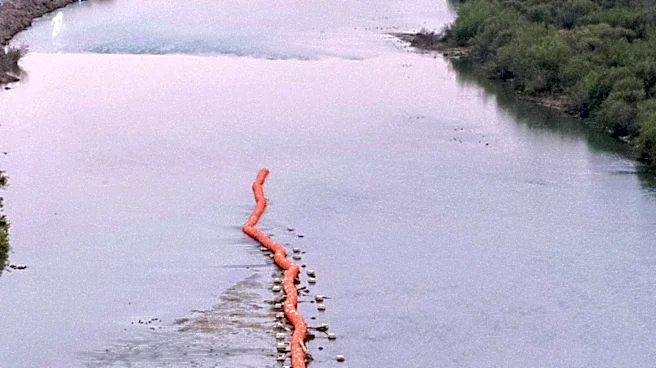
the plant to restart operations. The shutdown, the first in 44 years, was prompted by a severe heatwave and drought conditions that affected water levels, crucial for cooling the plant's reactors. Hungary and Romania, both reliant on the Danube for nuclear power, faced significant energy supply challenges during this period.
Why It's Important?
The resumption of operations at the Paks Nuclear Power Plant is crucial for Hungary's energy security, especially during a heatwave that has increased electricity demand. The situation highlights the vulnerability of energy infrastructure to climate-related events, such as droughts and heatwaves, which are becoming more frequent due to climate change. The reliance on river water for cooling nuclear reactors underscores the need for adaptive strategies in energy production to ensure stability and resilience. The incident may prompt discussions on diversifying energy sources and improving infrastructure to withstand environmental challenges.
What's Next?
Hungary and other European countries may consider investing in alternative cooling technologies or diversifying their energy mix to reduce reliance on river water. The situation could lead to increased cooperation among European nations to address shared energy and environmental challenges. Policymakers might also focus on developing strategies to mitigate the impact of climate change on energy infrastructure. The successful restart of the Paks plant may provide a temporary reprieve, but long-term solutions will be necessary to ensure energy security in the face of climate variability.