








What's Happening?
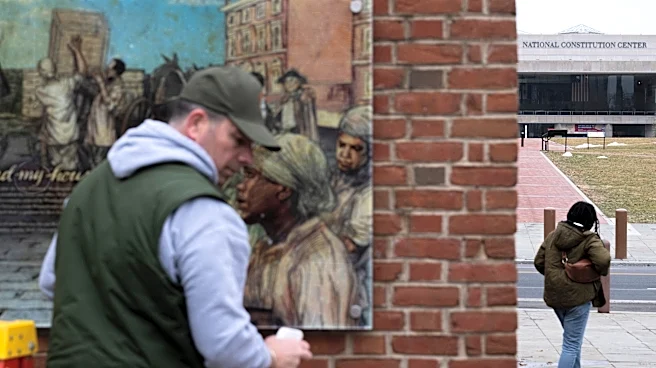
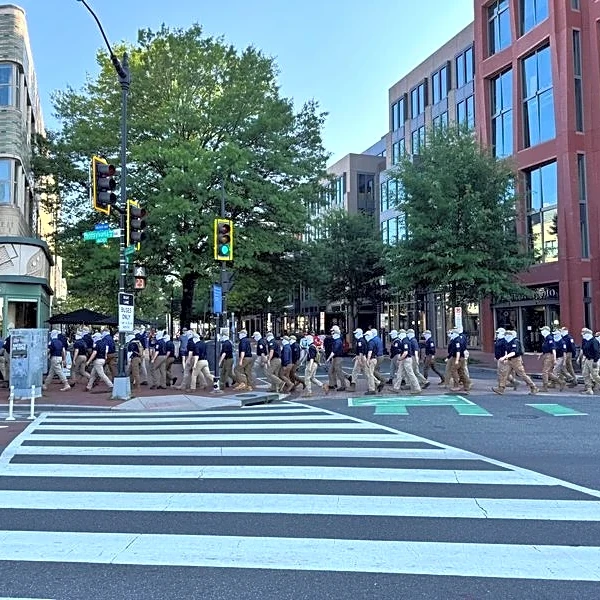
Historians have expressed significant criticism towards the Freedom 250 exhibits, a project led by President Trump to commemorate the 250th anniversary of the United States. The exhibits, which include mobile museums like the PragerU Freedom Truck, feature
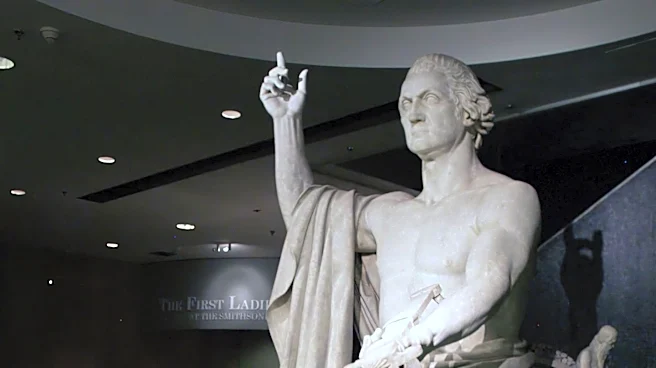
AI avatars of historical figures such as George Washington, and are touring various locations including schools and festivals. Critics argue that the exhibits present a skewed version of American history, focusing on a triumphalist narrative that aligns with the Trump administration's political agenda. The project has been accused of omitting critical aspects of history, such as the role of slavery and the contributions of Native American tribes, while overemphasizing the influence of Christianity. Additionally, some content on the Freedom 250 website has been called into question for featuring fabricated narratives, further undermining the project's credibility.
Why It's Important?
The controversy surrounding the Freedom 250 exhibits highlights the ongoing debate over how American history should be taught and commemorated. The project has sparked concerns about the politicization of historical narratives, with critics arguing that it promotes a narrow and ideologically driven interpretation of the past. This has implications for educational institutions and public discourse, as it challenges the integrity of historical education and the role of government in shaping public understanding of history. The project also reflects broader cultural and political divides in the U.S., as it aligns with efforts to promote a particular vision of national identity and patriotism. The criticism from historians underscores the importance of presenting a balanced and inclusive account of history that acknowledges the complexities and diverse contributions to the nation's development.
What's Next?
As the Freedom 250 exhibits continue to tour the country, it is likely that the debate over their content and presentation will persist. Historians and educators may continue to advocate for a more nuanced and comprehensive approach to teaching American history, potentially influencing future educational policies and public commemorations. The Trump administration's approach to the semiquincentennial celebration may also prompt responses from other political and cultural organizations, seeking to offer alternative narratives and events. The ongoing discourse may lead to increased scrutiny of how historical events are represented in public spaces and educational materials, with potential implications for future government-led commemorations.
Beyond the Headlines
The use of AI and fabricated narratives in the Freedom 250 exhibits raises ethical questions about the role of technology in historical representation. The reliance on AI-generated content and the creation of fictional narratives challenge traditional methods of historical documentation and interpretation. This development may prompt discussions about the responsibilities of educators and historians in ensuring the accuracy and authenticity of historical content. Additionally, the project highlights the tension between national pride and historical accuracy, as efforts to promote patriotism may conflict with the need to address complex and often uncomfortable aspects of the nation's past.