




What's Happening?
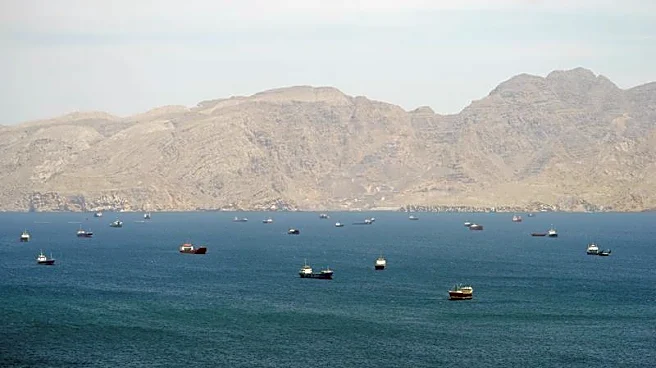
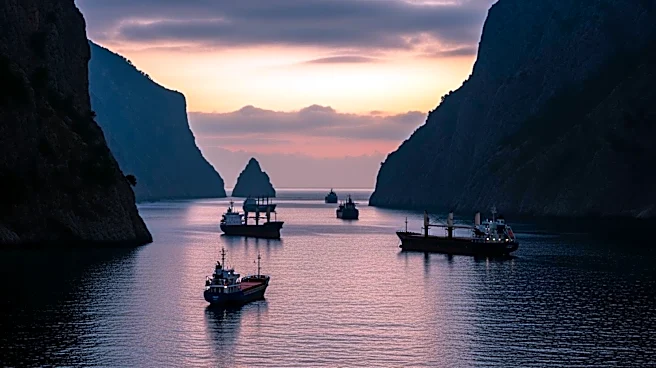
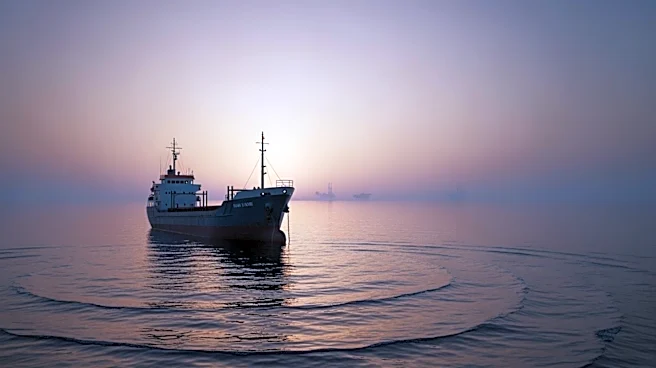
For approximately eight weeks, Indian Capt. Rahul Dhar and his crew have been stranded on their tanker in the Persian Gulf due to the ongoing conflict between the U.S. and Iran. The situation has left about 20,000 seafarers on hundreds of vessels, including
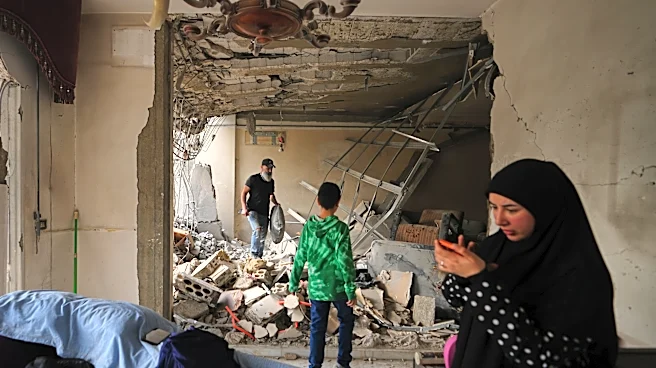
oil and gas tankers, unable to cross the Strait of Hormuz. The conflict has resulted in a significant reduction in the number of vessels passing through the strait, with only 80 vessels transiting in a week compared to over 130 per day before the war. The crew has witnessed drones and missile interceptions, adding to the tension and uncertainty. Despite a shaky ceasefire, the blockade of Iranian ports by the U.S. continues, and Iran has responded by firing on ships and seizing two vessels.
Why It's Important?
The stranding of seafarers in the Persian Gulf highlights the vulnerability of global trade to geopolitical conflicts. The Strait of Hormuz is a critical chokepoint for the world's oil and liquefied natural gas supply, and disruptions here can have significant implications for global energy markets. The situation underscores the risks faced by seafarers, who are essential to global trade but often bear the brunt of regional conflicts. The ongoing conflict and blockade have also led to shortages of food and water for the stranded crews, exacerbating the humanitarian aspect of the crisis. The prolonged conflict could deter future seafarers, worsening the existing shortage of skilled maritime labor.
What's Next?
The International Maritime Organization and other entities have called for a safe corridor for commercial vessels in the Strait of Hormuz. However, with Iran placing mines in the waterway and the U.S. clearing them, the risks remain high. The situation requires diplomatic efforts to ensure safe passage for vessels and to prevent further escalation. The ongoing conflict may lead to more stringent security measures and increased insurance costs for shipping companies operating in the region. The resolution of the conflict is crucial to restoring normalcy in one of the world's most important maritime routes.
Beyond the Headlines
The crisis in the Persian Gulf could have long-term implications for the global shipping industry. The repeated stranding of seafarers due to geopolitical conflicts, including the COVID-19 pandemic and the Russia-Ukraine war, may deter individuals from pursuing careers in maritime professions. This could exacerbate the existing shortage of skilled seafarers, impacting global trade and supply chains. Additionally, the conflict highlights the need for international cooperation to protect maritime routes and ensure the safety of seafarers, who are often caught in the crossfire of geopolitical tensions.