







What's Happening?
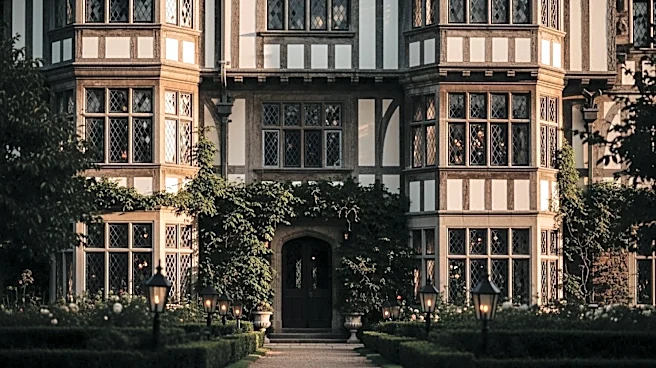
A historic Tudor-style estate located at 499 West Old Mill Road in Lake Forest, Illinois, has been listed for sale at $4.7 million. The property spans nearly 10 acres and is adjacent to a restored prairie reserve originally designed by renowned landscape
architect Jens Jensen. The estate, known as Elmwood Farm, was once part of a larger agricultural estate owned by George Rasmussen, founder of the National Tea Company. The home features original architectural details such as walnut paneling, intricate ceiling moldings, and leaded glass windows. The grounds include a butterfly garden, organic vegetable garden, orchard, vineyard, and a stocked water lily pond. The current owner, Frank Mariani, is noted for his expertise in landscape design, ensuring the property is meticulously maintained.
Why It's Important?
The listing of this estate highlights the intersection of historical preservation and modern luxury real estate. It offers potential buyers a unique opportunity to own a piece of Midwestern history while enjoying contemporary amenities. The property's extensive grounds and historical significance may appeal to those interested in land stewardship and conservation. Additionally, the estate's proximity to Chicago makes it an attractive option for those seeking a peaceful retreat from urban life. The potential for subdivision also presents investment opportunities for developers or individuals looking to expand their real estate portfolio.
What's Next?
Prospective buyers may consider the estate for various purposes, including a private residence, a weekend getaway, or an investment opportunity. The property's allowance for horses and potential for subdivision could attract interest from equestrian enthusiasts or developers. The sale may also prompt discussions on the preservation of historical estates and the balance between maintaining historical integrity and modernizing for contemporary living.
Beyond the Headlines
The sale of this estate underscores broader trends in the luxury real estate market, where historical properties are increasingly valued for their unique character and potential for customization. It also raises questions about the role of landscape architecture in enhancing property value and the importance of maintaining ecological features such as organic gardens and wildlife habitats. The estate's history as a working farm adds a layer of cultural significance, reflecting the evolution of land use in the region.