

What's Happening?
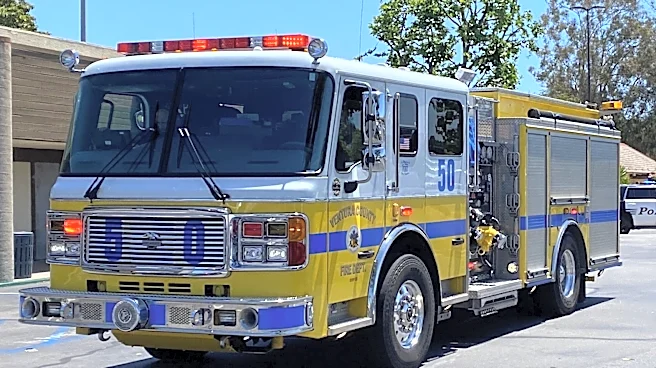
Recent powerful swells and warming ocean waters, attributed to a growing El Niño, have resulted in unusual marine discoveries and wildlife sightings along California's coast. Ventura County officials responded to a 'bomb-like' Navy MK25 phosphorus marine marker
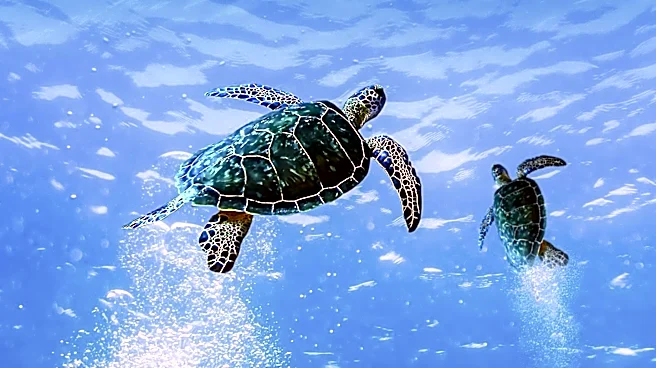
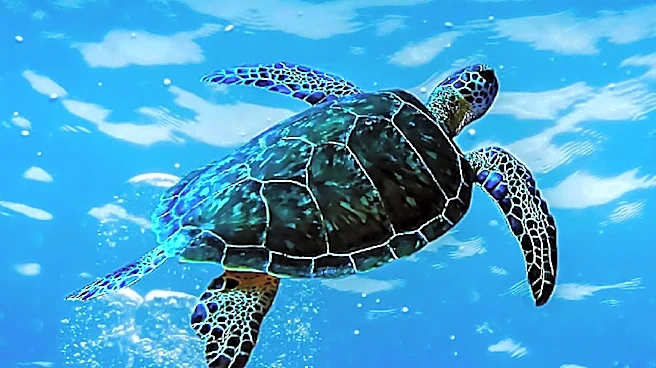
found on a local beach. This type of marker is used to create a visible smoke and flame signal for locating objects or people in the water. The Orange County Bomb Squad indicated that recent storms might have caused several such markers to surface. Additionally, a Super Bazooka round from the 1950s, containing live explosives, washed ashore at Mugu State Beach Tower 14, an area previously used as a military training facility. Beyond these military items, the changing ocean conditions have also led to a hammerhead shark sighting near Malibu Pier, a species typically found in warmer waters, and the historic first-known nesting of two olive ridley sea turtles in Seal Beach and Huntington Beach, turtles usually found in tropical regions.
Why It's Important?
The influx of military ordnance and unusual wildlife to California's shores highlights the significant and varied impacts of El Niño conditions. The discovery of hazardous materials like the Navy marine marker and the Super Bazooka round poses immediate public safety risks, necessitating rapid response from bomb squads and military explosive ordnance disposal units. These incidents underscore the potential for long-dormant military debris to resurface, particularly in areas with historical military use, and the importance of public awareness regarding such dangers. Environmentally, the presence of species like hammerhead sharks and olive ridley sea turtles in Southern California waters indicates a notable shift in marine ecosystems. While the sea turtle nesting is a rare and significant event for conservationists, the broader implications of warmer waters attracting non-native species could lead to changes in local marine biodiversity and potentially impact existing ecological balances. These events serve as a tangible illustration of how large-scale climate phenomena can directly affect coastal communities and environments.
What's Next?
Authorities are urging the public to exercise extreme caution if they encounter any suspicious or military-like items on beaches, advising them to leave the items in place, evacuate the area, and immediately call 911. This protocol is crucial given the potential for unexploded ordnance to be highly dangerous, even if seemingly inert. Continued monitoring of coastal areas for further wash-ups of military debris is likely, especially as El Niño conditions persist and potentially intensify. For the olive ridley sea turtle nests, officials will monitor and protect them, marking a significant event for marine biology and conservation efforts in California. Researchers and environmental agencies will also likely continue to track changes in marine life distribution and behavior, such as the hammerhead shark sighting, to better understand the long-term ecological shifts driven by warming ocean temperatures and El Niño's influence. Public awareness campaigns regarding beach safety and environmental changes may also be implemented.
Beyond the Headlines
The recurring discovery of military ordnance on California beaches, particularly in areas with a history of military training, raises deeper questions about environmental legacy and public land use. It highlights the long-term consequences of past military activities and the ongoing need for comprehensive cleanup and monitoring efforts in coastal zones. The spontaneous reignition or explosion risk of phosphorus marine markers, even when wet, underscores the hidden dangers that can persist for decades. Furthermore, the unprecedented nesting of olive ridley sea turtles in California, while a positive sign for the species' adaptability, also serves as a stark indicator of climate-induced changes in ocean currents and temperatures. This event could signal a potential expansion of their nesting range, prompting discussions about how coastal management and conservation strategies might need to adapt to accommodate new species or altered ecological patterns in response to a changing climate. These incidents collectively point to the complex interplay between historical human activities, natural phenomena, and evolving environmental conditions.