





What's Happening?
Governor Henry McMaster initiated a months-long investigation into the Charleston County School Board, which has culminated in a report from the South Carolina Office of the Inspector General detailing significant misconduct and dysfunction. The report highlights
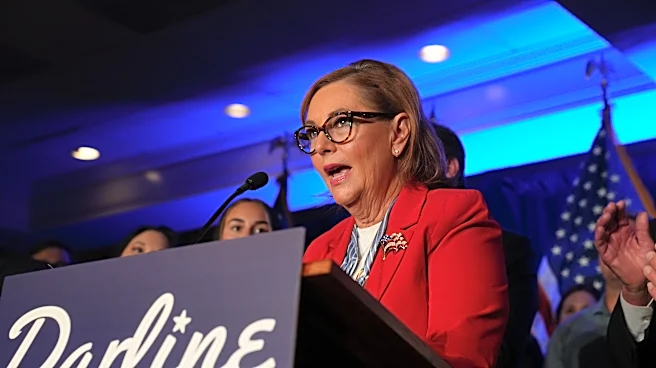
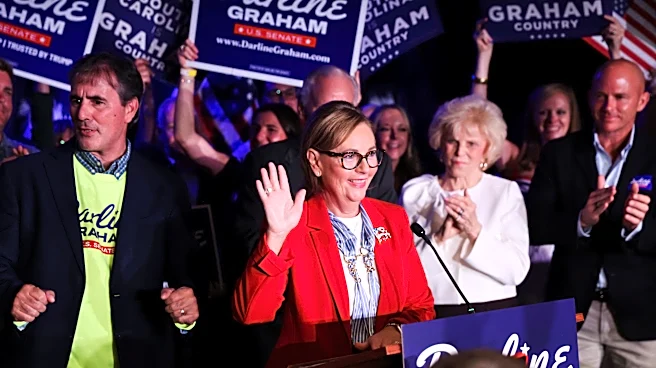
that an unnamed board member disclosed confidential information to media outlets, violated board policies, failed to report taxable income, and fraudulently billed the district as a vendor. This board member, identified as Darlene Roberson through state vendor searches for 'Next Level,' allegedly used her position to gain an unfair advantage in contractual affairs. The investigation also uncovered broader issues within the board, including members using outside legal counsel without full board approval, incurring tens of thousands of dollars in legal fees, and engaging in arguments and political actions that negatively impacted operations. The Inspector General has recommended that Governor McMaster consider removing the implicated board member.
Why It's Important?
This investigation and its findings are important as they expose potential corruption and a lack of accountability within a public educational institution. The alleged fraudulent billing practices and conflicts of interest by a school board member undermine public trust in governance and the proper allocation of taxpayer funds intended for education. The dysfunction and policy violations detailed in the report could significantly impact the quality of education and the operational efficiency of the Charleston County School District. Furthermore, the recommendation for the Governor to consider removing a board member highlights the serious nature of the infractions and the need for strong oversight to ensure ethical conduct in public service. This situation could lead to increased scrutiny of school boards across the state and potentially influence future policies regarding transparency and accountability for elected officials in educational roles.
What's Next?
Governor McMaster's office has confirmed receipt of the Inspector General's report and is currently reviewing it to determine the next steps, which could include the removal of the implicated board member. The Charleston County School District has expressed deep disappointment and stated its commitment to reviewing the recommendations and taking appropriate steps to strengthen safeguards. The district also indicated full cooperation with local, state, and federal law enforcement. The Board of Trustees will also review the recommendations and decide on appropriate actions. This situation may lead to further legal actions, potential criminal investigations into the alleged fraudulent billing, and a push for more stringent ethics policies and training for school board members in South Carolina. Public comments and reactions from parents and community members are also anticipated as the situation unfolds.
Beyond the Headlines
The revelations extend beyond individual misconduct, pointing to systemic vulnerabilities within public institutions that allow for such breaches of trust and policy. The report's findings, particularly concerning the use of 'reply all' emails for district business, raise questions about compliance with South Carolina's open-meetings laws and the broader need for clear communication protocols in public bodies. The significant legal expenses incurred by individual board members without proper approval highlight a potential lack of financial oversight and accountability mechanisms. This incident could trigger a broader reevaluation of how public officials are vetted, monitored, and held accountable, especially in roles that manage substantial public funds and directly impact community services like education. It also underscores the ethical imperative for public servants to prioritize community interests over personal gain, and the critical role of investigative bodies in upholding these standards.