





What's Happening?
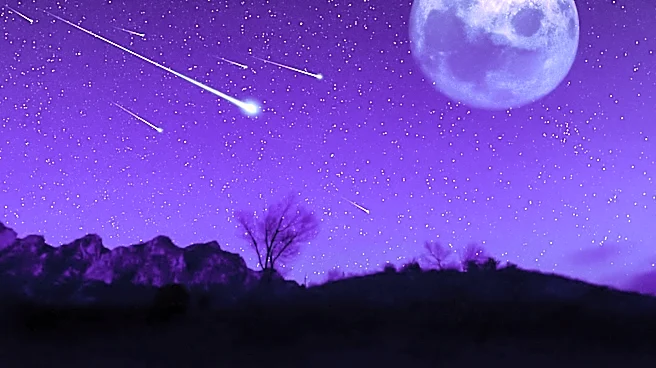
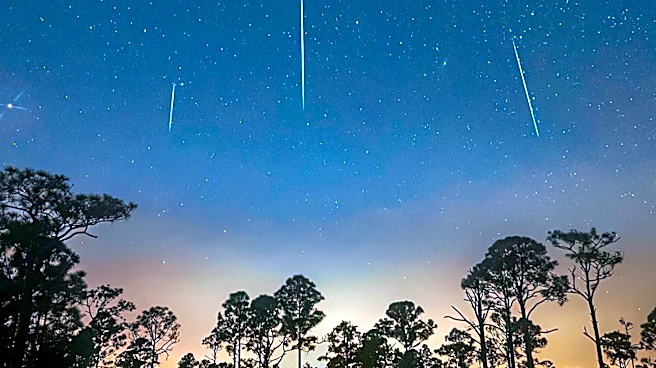
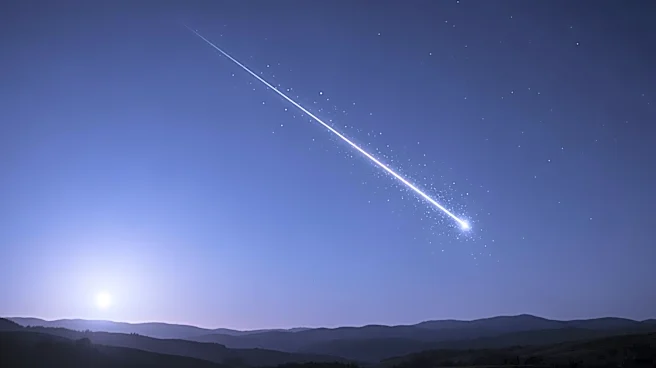
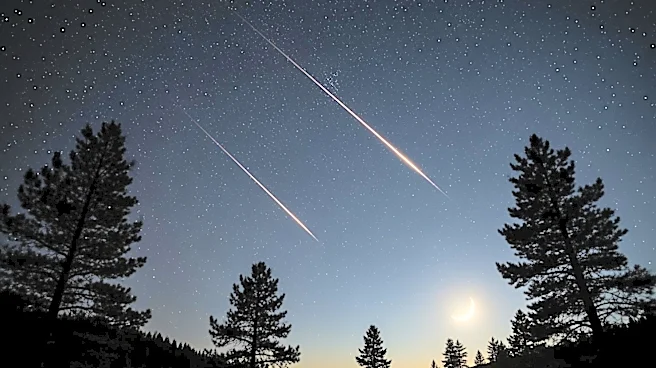
The Lyrid meteor shower is set to peak overnight from April 21 to April 22, offering skywatchers in North America and Europe a chance to witness this celestial event. The Lyrids, originating from debris left by Comet C/1861 G1 Thatcher, are known for
producing bright meteors and occasional fireballs. This year, the peak is expected around 20:00 UTC on April 22, favoring North American observers in the early hours of Wednesday and European observers post-sunset. The shower typically produces about 18 meteors per hour under ideal conditions. A new moon on April 17 ensures dark skies, enhancing visibility for even faint meteors. Stargazers are advised to look towards the northeast, near the constellation Lyra, where the radiant point is located.
Why It's Important?
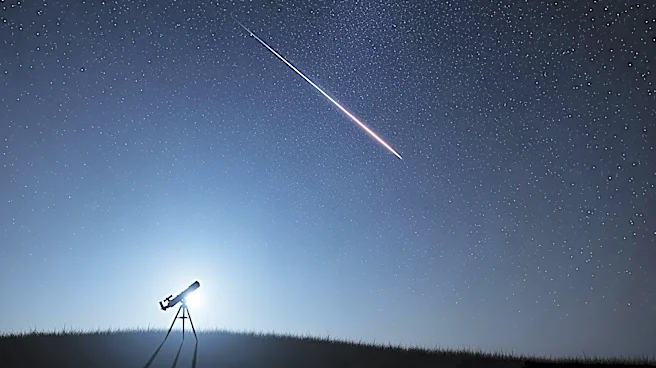
Meteor showers like the Lyrids offer a unique opportunity for both amateur and professional astronomers to engage with the night sky. The event is significant for educational purposes, inspiring interest in astronomy and science. It also provides a chance for photographers and enthusiasts to capture stunning images of meteors. The Lyrids are one of the oldest recorded meteor showers, with observations dating back over 2,600 years, adding historical value to the event. The shower's occurrence during a new moon phase means optimal viewing conditions, potentially increasing public participation and interest in astronomy.
What's Next?
Following the Lyrids, the eta Aquariids meteor shower, associated with Halley's Comet, will begin on April 19 and peak in early May. This provides another opportunity for skywatchers to observe meteors. As the Lyrids conclude, astronomers and enthusiasts will likely share their observations and photographs, contributing to a broader understanding of meteor showers. The event may also prompt discussions on the importance of dark-sky preservation, as light pollution can significantly impact visibility.
Beyond the Headlines
Meteor showers like the Lyrids highlight the importance of preserving dark skies, as light pollution from urban areas can hinder visibility. This issue has broader implications for environmental conservation and energy consumption. The event also underscores the interconnectedness of celestial phenomena, as the debris from Comet Thatcher continues to impact Earth centuries after its last visit. Such events can foster a sense of global unity, as people across different regions simultaneously experience the same natural spectacle.