








What's Happening?
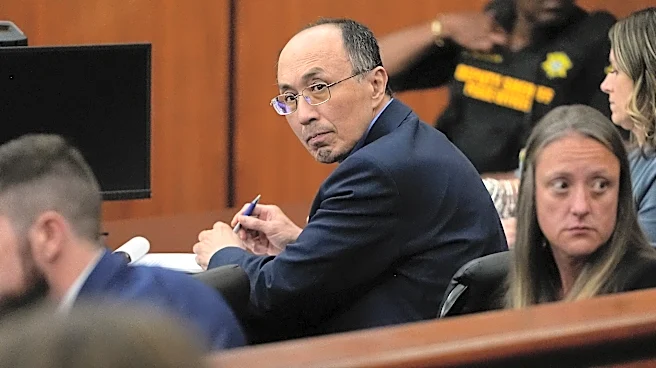
A jury in Jefferson County has found Brent Metz, a former town councilman, guilty of third-degree assault and illegal discharge of a firearm. The charges stem from an incident two years ago involving the shooting of a teenager. The verdict was reached
after the teenage victims spoke out about the case, highlighting the impact of the incident on their lives. Metz's actions have been under scrutiny, and the legal proceedings have drawn attention to issues of public safety and accountability for public officials.
Why It's Important?
The conviction of Brent Metz underscores the importance of holding public officials accountable for their actions, particularly when they involve violence. This case highlights the broader societal issue of gun violence and the legal system's role in addressing such incidents. The verdict may influence public perception of safety and trust in local governance, especially in communities where public officials are expected to uphold the law. It also serves as a reminder of the legal consequences of firearm misuse, potentially impacting future legislative discussions on gun control and public safety measures.
What's Next?
Following the conviction, Brent Metz may face sentencing that could include jail time, fines, or other legal penalties. The case may prompt discussions among local government officials and community leaders about measures to prevent similar incidents in the future. There could be increased advocacy for stricter gun control laws and enhanced training for public officials on conflict resolution and firearm safety. The community may also engage in dialogues about rebuilding trust and ensuring accountability in local governance.
Beyond the Headlines
The case of Brent Metz raises ethical questions about the responsibilities of public officials and the expectations of their conduct. It may lead to a reevaluation of policies regarding the vetting and monitoring of individuals in positions of power. Additionally, the incident could spark broader conversations about the cultural and societal factors contributing to gun violence, encouraging initiatives aimed at education and prevention. The long-term implications may include shifts in community engagement and policy reform focused on enhancing public safety.