





What's Happening?
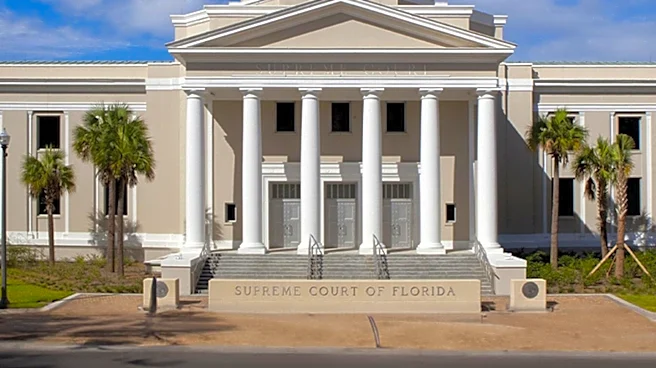
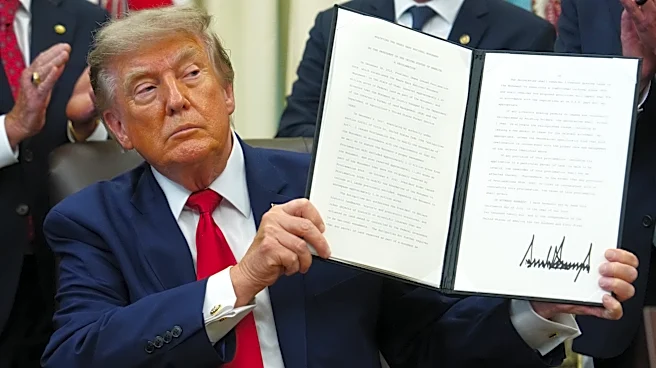
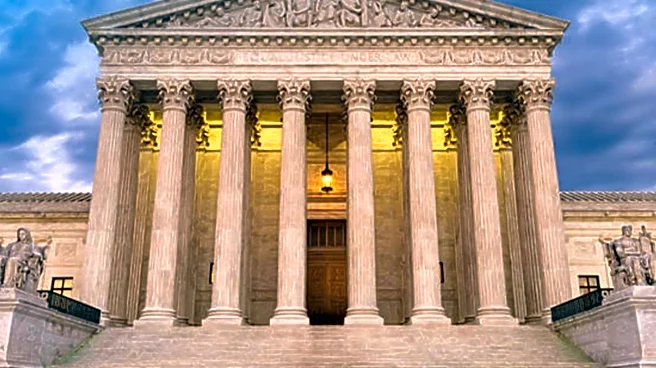
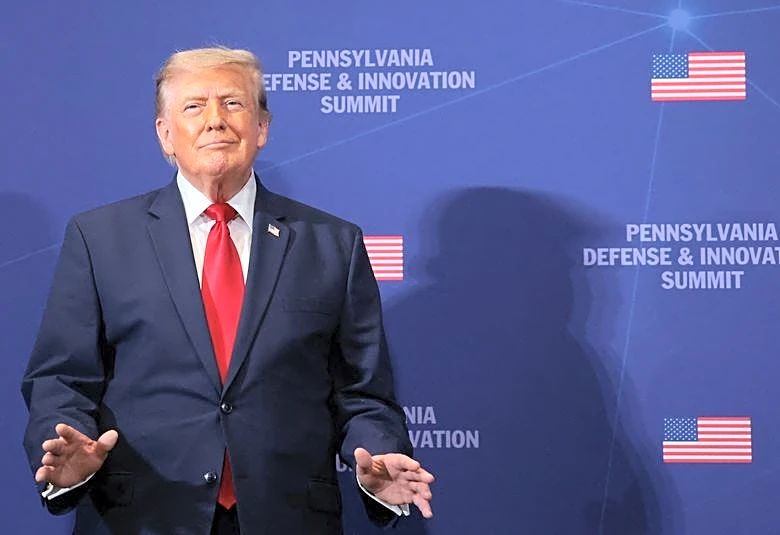
The Supreme Court has issued a ruling that allows the president to dismiss members of the Federal Trade Commission (FTC) at will, aligning with a broader interpretation that most independent agencies fall under executive control. This decision was made
by a majority of six conservative justices against three liberal justices. However, the court also blocked the president's attempt to remove Lisa Cook, a Federal Reserve governor, for cause, highlighting a distinction in the treatment of the Federal Reserve compared to other agencies. Chief Justice John Roberts, who authored both opinions, appears to be attempting to balance constitutional principles with practical implications. The ruling has sparked debate over the potential impact on the independence of regulatory bodies and their accountability to the president.
Why It's Important?
This ruling has significant implications for the independence of regulatory agencies in the U.S. By placing the FTC and similar bodies more directly under presidential control, there is concern that technical experts could be replaced by partisan appointees, potentially disrupting the regulation of critical areas such as election financing, environmental protection, and food safety. The decision underscores the need for Congress to exert more control and provide clearer legislative guidance to these agencies. The distinction made for the Federal Reserve highlights the importance of maintaining its independence to ensure stable monetary policy, as political interference could lead to financial instability and undermine investor confidence.
What's Next?
The ruling leaves open questions about the future of agency independence and the potential for increased political influence over regulatory bodies. Congress may face pressure to clarify the roles and protections of independent agencies to prevent partisan interference. The decision regarding the Federal Reserve suggests that its independence remains a priority, but the ongoing litigation concerning Lisa Cook's removal indicates that further legal challenges may arise. Stakeholders, including political leaders and industry groups, will likely continue to debate the balance between executive control and agency autonomy.
Beyond the Headlines
The Supreme Court's decision raises broader questions about the constitutional separation of powers and the role of independent agencies in the U.S. government. The potential for increased presidential influence over regulatory bodies could lead to shifts in policy direction and regulatory enforcement, affecting industries and public policy. The ruling also highlights the ongoing tension between maintaining agency independence and ensuring accountability to elected officials, a debate that may shape future legislative and judicial actions.