



What's Happening?
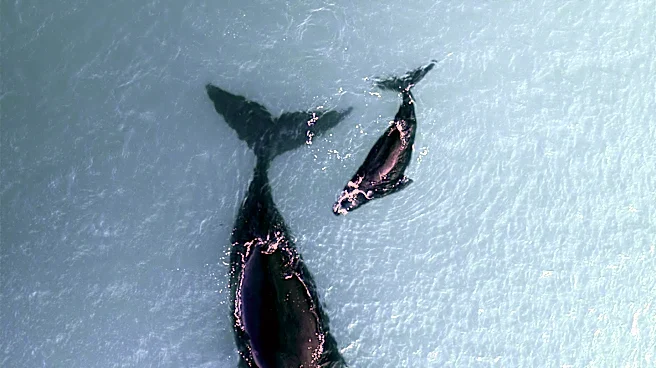
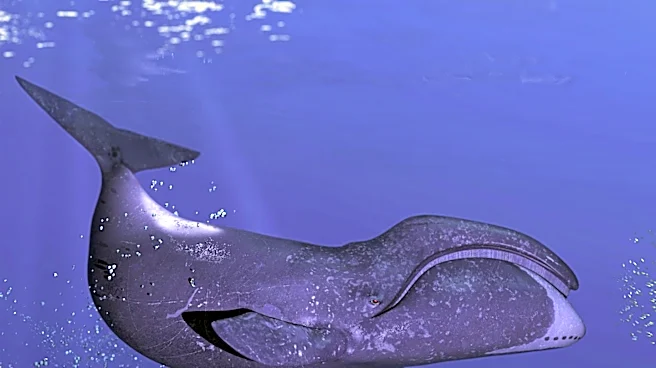
A pregnant fin whale found dead on the bow of a Royal Caribbean cruise ship in June was killed by blunt force trauma, according to a federal agency. The National Oceanic and Atmospheric Administration (NOAA) confirmed that the animal died from a vessel
strike, as detailed in the final necropsy report. The whale was discovered on a cruise ship arriving at the Kenai Peninsula port of Seward on June 19. Dr. Emmanuelle Furst, the Alaska SeaLife Center veterinarian who conducted the necropsy, stated that the findings are consistent with blunt force trauma from a vessel strike, causing the death of both the adult whale and her unborn calf. NOAA Fisheries law enforcement agents investigated the scene. Royal Caribbean Cruises expressed sorrow over the incident and stated they are working with NOAA Fisheries to implement an enhanced approach to avoid future ship strikes. This incident marks one of 11 confirmed cruise ship strikes involving whales in Alaska since 2001, though not all were fatal.
Why It's Important?
This incident highlights the ongoing threat that vessel collisions pose to endangered marine species, particularly fin whales. Dr. Anne Marie Eich, leader of NOAA Fisheries’ Alaska regional protected resources division, emphasized that accidental collisions are a serious threat to this endangered species. The commitment from Royal Caribbean Cruises to work with NOAA Fisheries on an 'enhanced, layered approach' signifies a potential shift in industry practices to better protect marine life. This collaboration could lead to more stringent protocols for vessel operators, including increased awareness training for shipboard officers, improved detection methods for marine mammals, and potentially speed reductions in areas with high whale concentrations. Such measures are crucial for conservation efforts and could influence regulations across the cruise industry, impacting operational costs and scheduling for cruise lines operating in sensitive marine environments.
What's Next?
Royal Caribbean Cruises is collaborating with NOAA Fisheries to introduce an 'enhanced, layered approach' aimed at preventing future ship strikes. This initiative will likely involve further development and implementation of specialized whale awareness and detection training for shipboard officers, as well as refined bridge protocols for identifying and avoiding marine mammals. NOAA Fisheries is also committed to working with vessel operators to increase awareness of strike risks and the importance of reducing vessel speed in areas where whales are concentrated. Investigations are ongoing for another fin whale found dead on a Norwegian Cruise Line ship in Sitka on September 17, which could lead to further industry-wide discussions and policy changes. These efforts suggest a push towards more proactive measures and potentially new regulatory frameworks to mitigate the impact of shipping on marine wildlife.
Beyond the Headlines
The confirmed death of the pregnant fin whale underscores the broader ecological challenges posed by increasing maritime traffic in sensitive marine habitats. Beyond immediate operational changes, this event could spur deeper conversations about the balance between commercial shipping interests and marine conservation. It raises ethical questions about the responsibility of large corporations to protect biodiversity and the effectiveness of current mitigation strategies. The incident may also influence public perception of the cruise industry, potentially increasing pressure from environmental groups and consumers for more sustainable practices. Long-term implications could include technological advancements in whale detection systems, stricter international shipping regulations, and a greater emphasis on marine spatial planning to minimize human-wildlife conflict in critical ocean corridors.