




What's Happening?
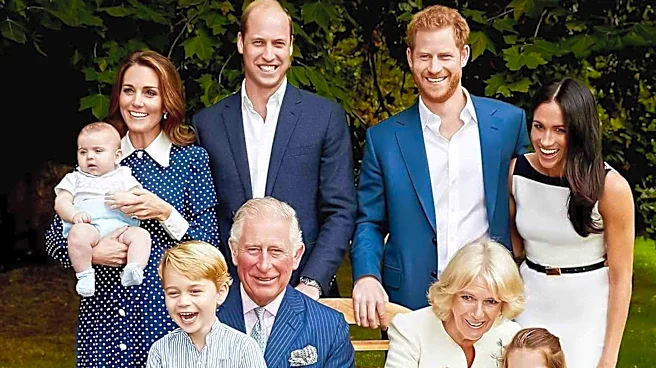
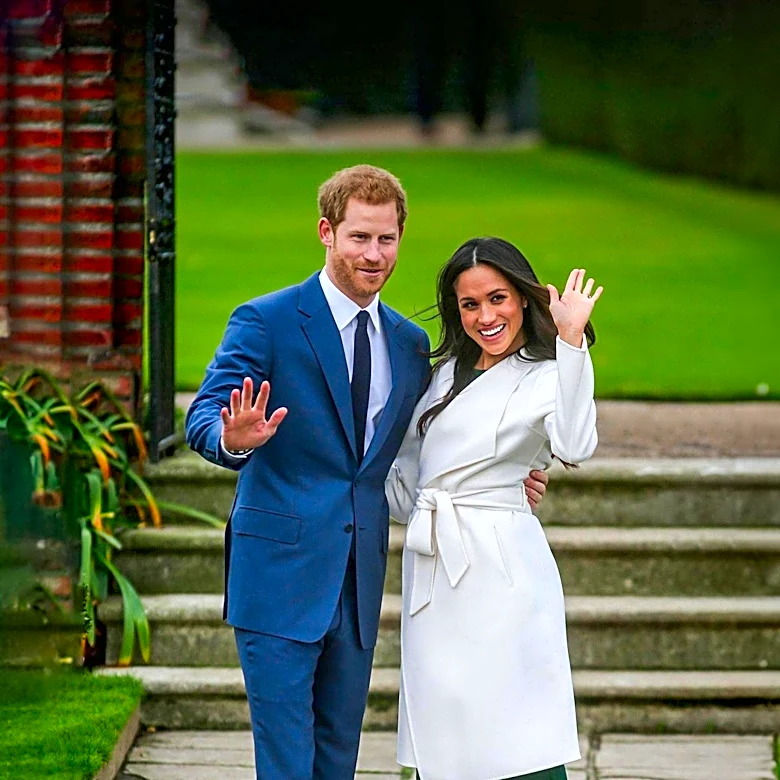
Prince Harry has publicly expressed a desire to reconcile with the Royal Family after several years of estrangement, particularly with his elder brother, Prince William. In a recent interview with GQ magazine, Harry stated, 'With everything else that's
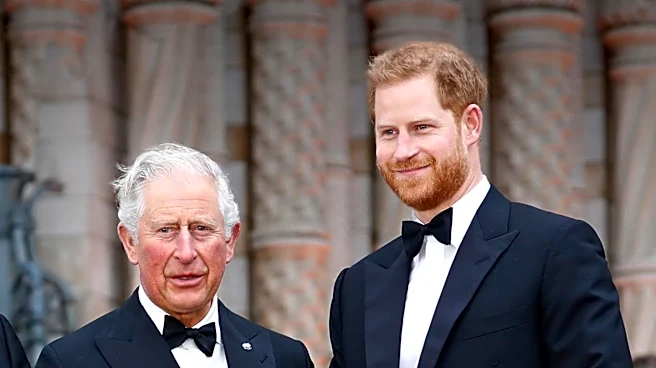
going on in the world, the most important thing is to reconcile. That's the key point.' This overture follows his and Meghan Markle's return to the UK in August with their two children, after stepping back as working royals in 2020 and moving to California. During their time in the U.S., the couple released a Netflix docuseries, conducted an interview with Oprah Winfrey, and Harry published his memoir 'Spare,' all of which included criticisms of the Royal Family. Despite their return, Buckingham Palace and King Charles have maintained that Harry and Meghan remain non-working royals. Royal experts suggest that while a personal reconciliation with King Charles III might be possible, a broader reconciliation with the Royal Family appears unlikely due to past events and Harry's continued public statements.
Why It's Important?
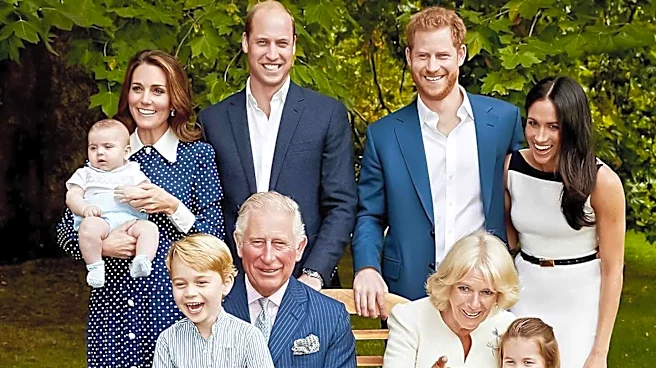
The ongoing rift within the Royal Family, particularly between Prince Harry and Prince William, carries significant implications for the monarchy's public image and future stability. The public nature of Harry's desire for reconciliation, contrasted with the Royal Family's traditional preference for privacy, creates a complex dynamic. Royal historian Carolyn Harris notes that the more Prince Harry speaks to the press, the less likely a reconciliation becomes, as other family members may fear future disclosures. This situation highlights a fundamental difference in approach between Harry and William, with William reportedly keen on maintaining a clear distinction between private and public roles. The lack of resolution could continue to fuel media speculation and potentially impact public perception of the monarchy's unity and effectiveness, especially as King Charles III navigates his reign and Prince William prepares for his future role as monarch.
What's Next?
The path to reconciliation for Prince Harry and the Royal Family remains uncertain and fraught with challenges. While Harry has publicly stated his desire to 'make it work,' royal experts like Carolyn Harris believe a full reconciliation with the wider Royal Family is improbable given the events of the past six years. There is speculation that King Charles III may desire personal time with his grandchildren, potentially leading to some level of personal reconciliation. However, the public nature of Harry's appeals and past criticisms through media platforms are seen as obstacles. Royal expert Craig Prescott suggests that Harry and Meghan's attempts to achieve private outcomes through public means contradict the monarchy's traditional operational methods. Future developments will likely depend on whether private dialogues can be initiated and if both sides are willing to address past grievances without further public commentary, a prospect that currently seems distant.
Beyond the Headlines
The protracted estrangement between Prince Harry and the Royal Family delves into deeper themes of tradition versus modernity, privacy versus public narrative, and the evolving role of monarchy in contemporary society. Historically, royal rifts have sometimes been resolved through formal ceremonies of reconciliation, often facilitated by royal women. However, the current situation is unique due to the global media landscape and the Sussexes' embrace of public platforms to share their experiences. This conflict has inadvertently strengthened the relationship between King Charles III and Prince William, a rare alignment between a monarch and an adult heir. The ongoing tension also raises questions about the long-term impact on the monarchy's image, particularly concerning its ability to adapt to internal challenges while maintaining public support. The differing approaches to public engagement between Harry and William underscore a generational and philosophical divide within the institution, which could influence its future direction and public perception.