






What's Happening?
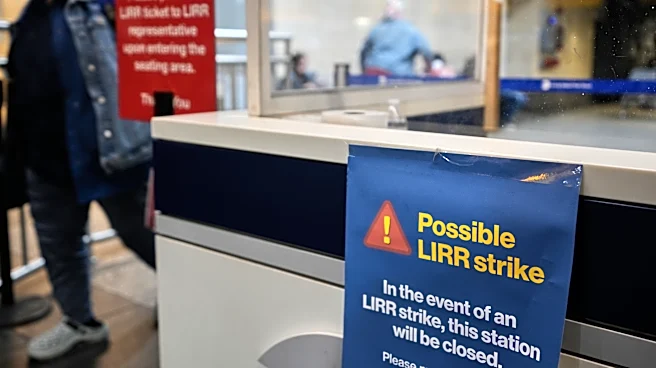
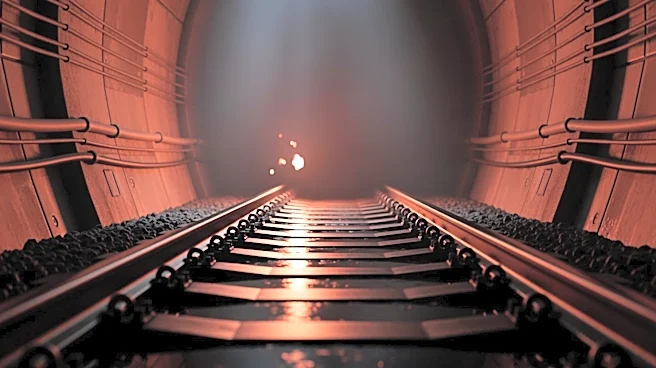
A significant electrical fire inside the East River Tunnel has caused major disruptions to Acela train service at New York's Penn Station. The fire, which occurred on Thursday, led to the suspension of all eastbound train services, affecting the Long
Island Rail Road (LIRR) and other lines. Amtrak, the owner of the station and infrastructure, reported that the fire caused extensive damage to the tunnel, impacting two train lines directly. Firefighters responded promptly and extinguished the flames within two hours, but the smell lingered throughout the station for hours. As of Friday morning, repairs are ongoing, and service remains limited with potential delays, reroutes, and cancellations expected. Commuters are advised to check their train status and consider alternative routes or stations.
Why It's Important?
The disruption of Acela train service at Penn Station has significant implications for commuters and the broader transportation network in the region. Penn Station is a critical hub for rail travel in the Northeast Corridor, and any service interruption can lead to widespread delays and inconvenience for thousands of passengers. The incident highlights the vulnerability of aging infrastructure and the potential for unexpected events to cause major disruptions. The economic impact is also notable, as delays can affect business operations and productivity, particularly for those relying on timely travel for work. The situation underscores the need for continued investment in infrastructure maintenance and upgrades to prevent similar incidents in the future.
What's Next?
Amtrak and the Metropolitan Transportation Authority (MTA) are working to restore full service as quickly as possible, but the timeline for complete repairs remains uncertain. Commuters are encouraged to stay informed through official channels for updates on service status. The cause of the fire is under investigation, and findings could lead to changes in safety protocols or infrastructure improvements. Stakeholders, including government agencies and transportation authorities, may face increased pressure to address infrastructure vulnerabilities and ensure the reliability of critical transportation networks.