








What's Happening?
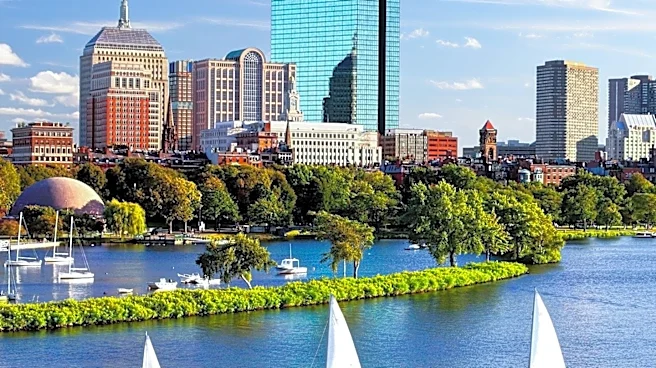
Boston has experienced a decline in rent prices for 13 consecutive months, with the average rent now at $2,930, down from $3,054 a year ago. This trend is attributed to an increase in housing supply and a decrease in demand. Since 2021, over 37,000 new
housing units have been added in buildings with five or more units, leading to a rise in vacancy rates from 2.6% in 2022 to 3.2%. The decline in international student enrollment and a softening labor market have also contributed to the reduced demand. Boston, which has a significant share of international students, is seeing a ripple effect on industries that typically employ these students post-graduation. Additionally, employment in the Boston metro area has decreased by 2% over the past year.
Why It's Important?
The decline in rent prices in Boston reflects broader national trends, where asking rents in the 50 largest U.S. markets have fallen for 35 straight months. This is largely due to a surge in new apartment construction. The decrease in rent prices could make Boston more affordable for residents, potentially attracting young professionals who might have otherwise moved to more affordable or job-rich areas. However, the decline in international students and a cooling job market could impact local industries reliant on skilled labor, affecting economic growth and employment opportunities in the region.
What's Next?
If the trend of declining rents continues, Boston may see shifts in its demographic and economic landscape. The city could become more attractive to new residents, potentially stabilizing the rental market. However, the ongoing decrease in international student enrollment and job market challenges may require strategic adjustments from local businesses and educational institutions to maintain economic vitality. Policymakers might need to consider measures to stimulate job growth and attract international talent to sustain the city's economic health.