
What's Happening?
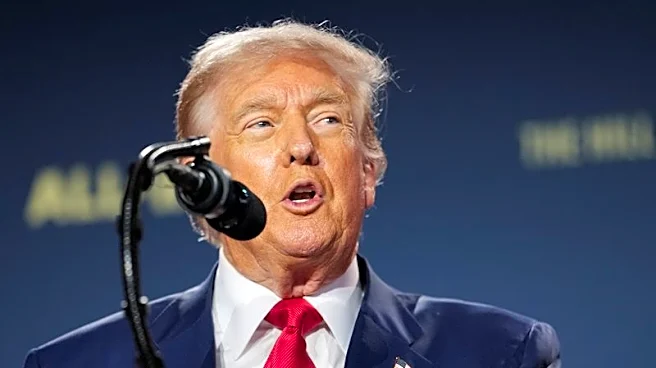
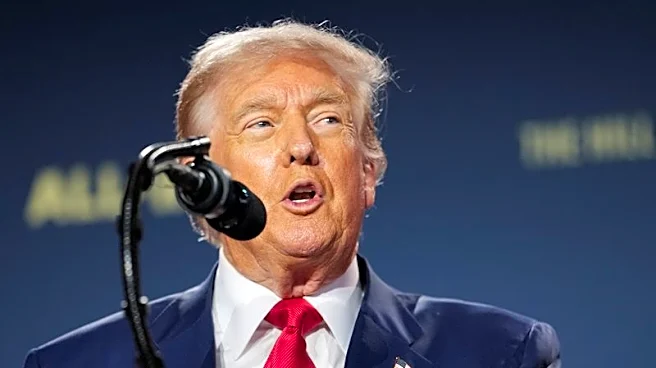
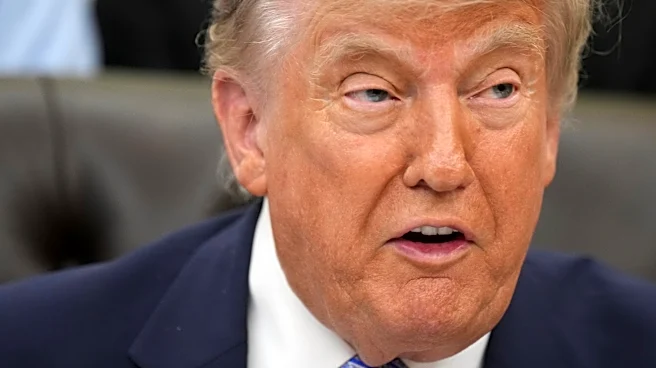
President Trump decided not to sign an executive order aimed at establishing a voluntary oversight system for advanced AI models. The draft order, which was intended to address potential risks associated
with AI products, proposed that developers could submit their AI models for federal review up to 90 days before release. The order emphasized that these reviews would be voluntary and not lead to mandatory governmental licensing. However, concerns were raised by former Trump AI czar David Sacks about the possibility of these voluntary reviews becoming mandatory in the future. The decision to halt the signing was influenced by President Trump's concerns that the order might hinder U.S. efforts to compete with China in the AI sector.
Why It's Important?
The decision to delay the executive order highlights the tension between ensuring AI safety and maintaining competitive advantage in the global AI race, particularly against China. The proposed oversight system was designed to prevent AI technologies from being misused, potentially leading to cyberattacks or other security threats. However, the hesitation to implement such measures reflects the broader debate on balancing innovation with regulation. This decision could impact U.S. tech companies and their approach to AI development, as they navigate the regulatory landscape while striving to maintain a competitive edge.
What's Next?
The future of the AI executive order remains uncertain, as the administration has not specified what changes might be made or when the signing could be rescheduled. Stakeholders in the AI industry, including tech companies and policymakers, will likely continue discussions on how to effectively regulate AI without stifling innovation. The outcome of these discussions could shape the regulatory framework for AI in the U.S., influencing how companies develop and deploy AI technologies.