




What's Happening?
A political advertisement from Republican gubernatorial candidate Byron Donalds' campaign, 'Friends of Byron Donalds,' has been identified as misleading regarding Democratic opponent David Jolly's stance on taxes. The ad claims Jolly intends to raise
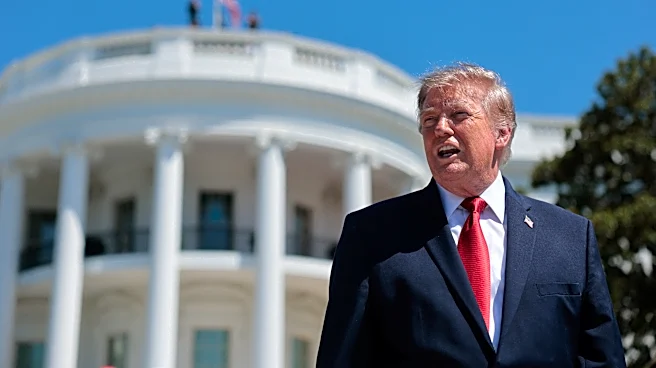
taxes on income, overtime, tipped wages, and Social Security. While Jolly has expressed support for taxing wages, including tipped income, he clarified that he would support relief for tips above the standard wage rate. However, as governor, Jolly would lack the authority to impose state income taxes on these categories, as Florida does not have a state income tax. The ad also falsely claims Jolly wants to tax Social Security, a position he has never supported, according to the Congressional Record. Donalds' campaign highlights his vote for the 'One Big Beautiful Bill Act' signed by President Trump in 2025, which included tax cuts on overtime and tipped wages. However, these tax deductions are limited, apply only to specific portions of overtime and certain tipped occupations, and are set to expire in 2028 unless extended by Congress. The bill itself was contentious, passing by a single vote and including cuts to Supplemental Nutrition Assistance Program and Medicaid benefits.
Why It's Important?
This situation highlights the prevalence of misleading information in political campaigns and its potential impact on voter perception and election outcomes. The ad's inaccuracies could misinform Florida voters about the candidates' actual policy positions and the scope of a governor's power regarding taxation. By suggesting that a governor can unilaterally impose state income taxes or Social Security taxes, the ad distorts the constitutional and legislative framework of Florida's tax system. This could lead to public misunderstanding of state governance and fiscal policy. Furthermore, the ad's selective presentation of Donalds' legislative record, particularly regarding the 'One Big Beautiful Bill Act,' omits crucial details about the limited scope and temporary nature of the tax cuts, as well as the broader implications of the bill, such as cuts to social programs. This selective framing can prevent voters from making fully informed decisions based on a comprehensive understanding of a candidate's legislative actions and their consequences.
What's Next?
As the gubernatorial election approaches, it is likely that fact-checking organizations and media outlets will continue to scrutinize political advertisements from both campaigns. David Jolly's campaign is expected to continue pushing back against the ad's claims, potentially issuing further clarifications or counter-advertisements. The debate over tax policy, particularly property taxes and the potential for state income taxes, will likely remain a central theme in the Florida governor's race. Voters will need to critically evaluate the information presented by both candidates and seek out independent analyses to understand the true implications of their proposed policies. The focus on tax issues will also likely extend to discussions about state revenue, local government funding, and the impact on various segments of the population, including seniors and working families. The outcome of the election will determine the future direction of Florida's tax policies and potentially influence how future state budgets are structured.
Beyond the Headlines
The use of misleading political advertisements, as seen in this instance, raises broader questions about truthfulness in political discourse and the responsibility of campaigns to provide accurate information. The ad's reliance on misrepresenting a candidate's authority and policy positions can erode public trust in the electoral process and political institutions. This trend can contribute to voter cynicism and disengagement, as citizens may find it difficult to discern factual information from campaign rhetoric. Moreover, the focus on tax issues, particularly the debate around property tax elimination and the implications for state services, touches upon fundamental questions of fiscal responsibility and the role of government in providing public goods. The long-term implications of such tax policies could significantly reshape Florida's economic landscape, affecting everything from local government services to the state's attractiveness for businesses and residents. The ongoing discussion about tax cuts and their impact on social programs also highlights the persistent tension between fiscal conservatism and social welfare priorities.