





What's Happening?
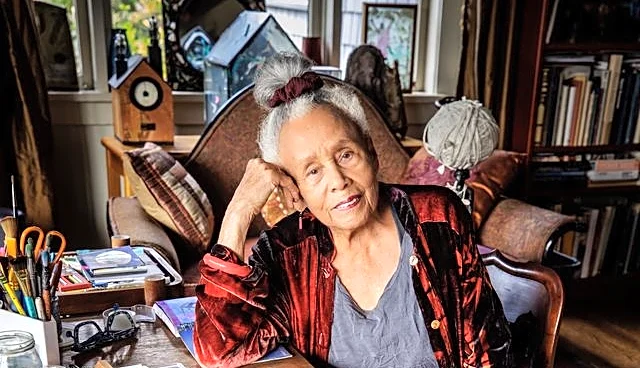
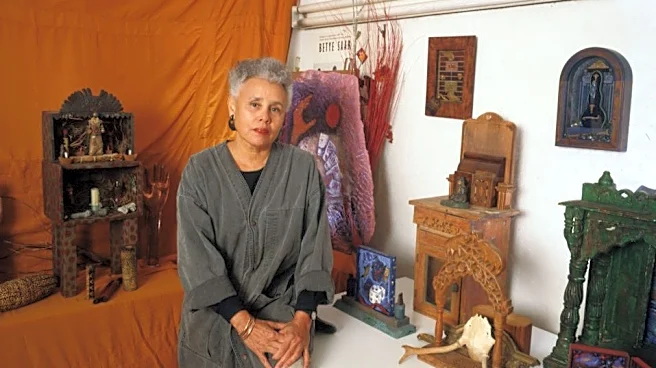
Betye Saar, a pivotal figure in the 1960s Black Art Movement, passed away at the age of 99 in Los Angeles. Known for her assemblage art, Saar used found objects to create powerful statements on Black identity and liberation. Her work, including the iconic
'The Liberation of Aunt Jemima,' challenged racial stereotypes and was a response to the assassination of Martin Luther King Jr. Despite limited recognition in her early career, Saar's art gained significant attention in later years, with exhibitions at major institutions like the Museum of Modern Art. Her influence extended beyond her art, as she mentored future generations of Black artists.
Why It's Important?
Betye Saar's work is significant for its role in challenging and transforming racial narratives in art. By reclaiming derogatory imagery and turning it into symbols of empowerment, Saar's art provided a powerful commentary on race relations in America. Her influence is seen in the way she inspired other artists to explore themes of identity and social justice. Saar's legacy is a testament to the importance of diverse voices in the art world, highlighting the need for continued representation and recognition of Black artists in major cultural institutions.
What's Next?
Saar's passing may prompt renewed interest in her work and influence, potentially leading to more exhibitions and retrospectives. Her art continues to inspire discussions on race and identity, and her legacy will likely encourage future artists to explore similar themes. Institutions may also reflect on their historical representation of Black artists and consider more inclusive practices moving forward.