






What's Happening?
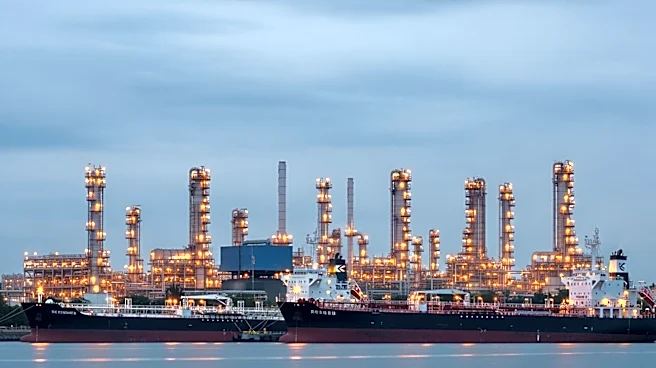
The European Commission has issued a warning about the potential tightening of jet fuel supplies in Europe if the Middle East conflict continues. The Commission's Directorate-General for Energy highlighted that while there have been no physical supply
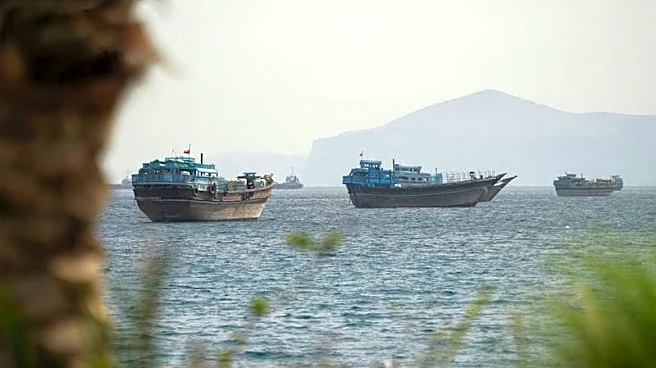
disruptions yet, the ongoing closure of the Strait of Hormuz could lead to tighter markets, particularly for jet fuel. This warning follows a meeting of the European Commission's Oil Coordination Group. Despite the concerns, European airlines, including Lufthansa Group, have reassured passengers that there are currently no issues with jet fuel supplies that could affect the summer travel period. The conflict, which began three months ago, has already caused jet fuel prices to double, significantly impacting airlines as fuel is their largest variable cost.
Why It's Important?
The potential tightening of jet fuel supplies could have significant implications for the aviation industry, particularly as airlines prepare for the busy summer travel season. Rising fuel costs could lead to increased ticket prices, affecting consumer travel plans and airline profitability. The situation underscores the vulnerability of global supply chains to geopolitical tensions, particularly in critical regions like the Middle East. Airlines have been partially shielded by fuel hedging strategies, but prolonged disruptions could strain these measures. The warning also highlights the importance of diversifying fuel sources and securing supply chains to mitigate the impact of regional conflicts on global markets.
What's Next?
Airline executives are set to meet at the IATA annual general meeting in Rio de Janeiro next week, where the issue of fuel supply and pricing is likely to be a key topic of discussion. The industry will be closely monitoring developments in the Middle East, as any escalation could further impact fuel availability and prices. Airlines may need to explore alternative fuel sources or adjust operational strategies to manage costs. The European Commission and other stakeholders may also consider policy measures to enhance energy security and resilience against geopolitical disruptions.