
What's Happening?
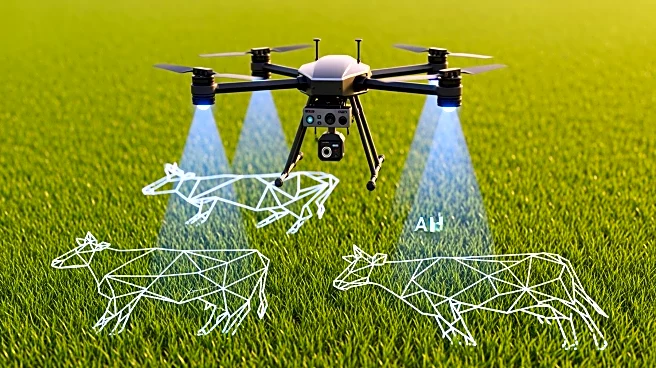
Turkish engineers have developed AI-powered cow detection models aimed at enhancing agricultural productivity. These models utilize advanced algorithms such as YOLO (You Only Look Once) to provide real-time
detection and monitoring of cows, which is crucial for timely intervention and management in livestock farming. The deployment of these models on edge devices like Raspberry Pi demonstrates their adaptability to resource-limited environments, ensuring practical applicability for real-time agricultural automation. The initiative is part of a broader effort by Türkiye's Agricultural Technologies Cluster (TUME) to develop indigenous technologies that reduce dependency on foreign technology and enhance local capabilities.
Why It's Important?
The development of AI-powered cow detection models is significant as it represents a step forward in the integration of technology in agriculture, a sector that is crucial for food security and economic stability. By improving the efficiency of livestock management, these technologies can lead to increased productivity and reduced costs for farmers. This can have a positive impact on the agricultural sector's contribution to the economy, potentially leading to job creation and increased competitiveness in the global market. Additionally, the focus on developing these technologies indigenously helps reduce dependency on foreign technology, fostering local innovation and self-reliance.
What's Next?
The next steps involve scaling the deployment of these AI models across more farms in Türkiye and potentially other countries. TUME is actively seeking young talent to work in agricultural and livestock production using these new technologies, offering training and financial resources to support their integration into the industry. This could lead to further advancements in agricultural technology and increased adoption of AI solutions in farming practices.
Beyond the Headlines
The development of AI-powered agricultural technologies also raises questions about the ethical implications of increased automation in farming. While these technologies can improve efficiency, they may also lead to job displacement for workers in traditional farming roles. Balancing technological advancement with social responsibility will be crucial as these technologies become more widespread.