





What's Happening?
The United Nations Framework Convention on Climate Change (UNFCCC) highlights that global environmental challenges, including climate change, biodiversity loss, and land degradation, are deeply interconnected. While separate international agreements and frameworks,
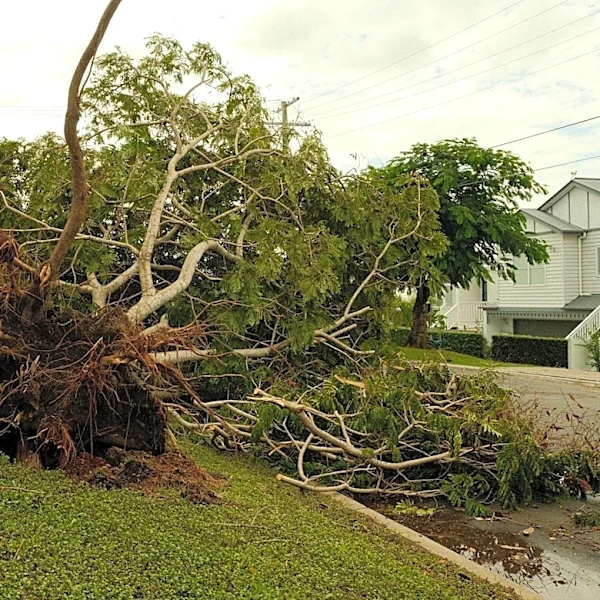
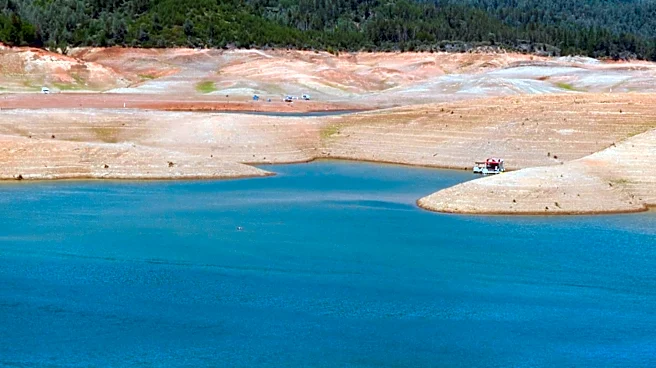
such as the Kyoto Protocol and the Paris Agreement, have been established to address these issues individually, the UNFCCC stresses that these problems do not occur in isolation. The Rio Conventions—comprising the UNFCCC, the Convention on Biological Diversity (CBD), and the United Nations Convention to Combat Desertification (UNCCD)—along with the Sendai Framework for Disaster Risk Reduction, represent distinct efforts to tackle these global concerns. However, the UNCCD COP17, taking place in 2026, serves as a timely reminder that a more integrated approach is necessary, as environmental crises amplify one another and affect the same populations, landscapes, and economies. The UNFCCC advocates for recognizing these interconnections in policy and planning to achieve more effective and coherent global action.
Why It's Important?
The recognition of the interconnectedness of environmental challenges by the UNFCCC is crucial for the United States and the global community. Fragmented approaches to climate change, biodiversity, and land degradation can lead to inefficiencies, duplication of efforts, and missed opportunities for synergistic solutions. For the U.S., this means that domestic policies addressing climate change, such as those related to renewable energy or conservation, could be more effective if integrated with strategies for biodiversity protection and sustainable land management. For instance, ecosystem restoration projects can simultaneously improve water security, strengthen biodiversity, reduce disaster risk, support climate adaptation, and enhance livelihoods. A more coordinated international approach, as advocated by the UNFCCC, could also streamline resource allocation and foster greater collaboration among nations, potentially leading to more robust and sustainable outcomes for global environmental health, which directly impacts U.S. economic and societal well-being.
What's Next?
The ongoing discussions and the UNCCD COP17 in 2026 signal a continued push towards greater coordination across environmental goals and processes. The UNFCCC's emphasis on leveraging synergies suggests that future international and national policies will increasingly aim to integrate climate, biodiversity, and land management strategies. This could involve developing national adaptation plans, biodiversity strategies, and land degradation neutrality targets that are mutually reinforcing. Stakeholders, including governments, businesses, and civil society groups, are expected to engage in more collaborative efforts to identify and implement interventions that address multiple environmental objectives simultaneously. The challenge lies in translating this recognition of interconnectedness into concrete actions, policies, and decisions that shape how the world prepares for and responds to environmental change on the ground, moving beyond isolated planning to a more holistic and effective global response.
Beyond the Headlines
The UNFCCC's call for integrated environmental action extends beyond mere policy coordination; it highlights a fundamental shift in how humanity perceives and addresses its relationship with the natural world. The ethical implication is a recognition of the intrinsic value of interconnected ecosystems and the moral imperative to protect them holistically. Legally, this could lead to the development of more comprehensive international environmental laws that bridge the current gaps between conventions. Culturally, it encourages a broader understanding of environmental stewardship, moving away from siloed thinking towards a more integrated worldview where climate, biodiversity, and land are seen as inseparable components of a single, complex system. This deeper understanding could foster greater public engagement and support for policies that promote sustainable practices across all sectors, ultimately leading to a more resilient and equitable future.