







What's Happening?
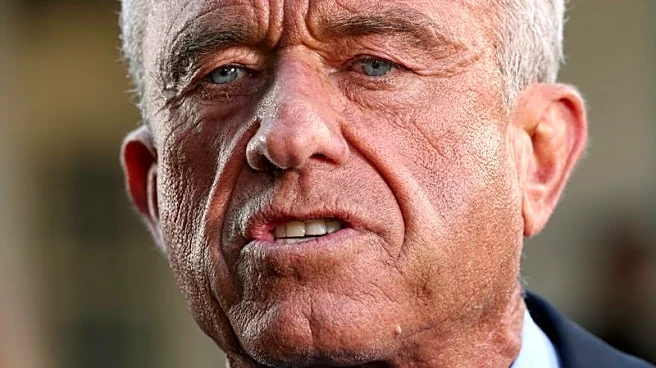
Health Secretary Robert F. Kennedy Jr. is currently engaged in a series of congressional hearings, marking his first appearance before lawmakers in over seven months. The hearings, which began on Thursday, are set to continue through the following week.
During these sessions, Kennedy is defending his record as the head of the nation's health department, particularly in the face of criticism from Democrats regarding his stance on vaccines and proposed budget cuts. Kennedy's leadership has seen significant changes, including a focus on food and nutrition, as well as efforts to phase out synthetic food dyes and overhaul dietary guidelines. However, his controversial views on vaccines have been a focal point, with Democrats arguing that his rhetoric has contributed to public health risks, such as rising measles outbreaks.
Why It's Important?
The hearings are significant as they highlight the ongoing debate over public health policy in the U.S., particularly concerning vaccines. Kennedy's leadership and the policies he advocates could have far-reaching implications for public health, especially as the country grapples with vaccine skepticism. The hearings also underscore the political tensions surrounding health policy, with Democrats and Republicans divided on issues such as fraud prevention and budget allocations. Kennedy's approach to health policy, including his 'Make America Healthy Again' movement, reflects broader ideological divides that could influence future health legislation and public trust in health authorities.
What's Next?
As the hearings continue, Kennedy is expected to face further scrutiny, particularly from Democrats who are keen to challenge his policies and leadership style. A key upcoming event is a hearing with Sen. Bill Cassidy, a Republican who has previously supported Kennedy but has since clashed with him on vaccine issues. This session could be pivotal in shaping the narrative around Kennedy's tenure and the administration's health policies. Additionally, the outcome of these hearings may influence public perception and political strategies ahead of the midterm elections, as health policy remains a critical issue for voters.