







What's Happening?
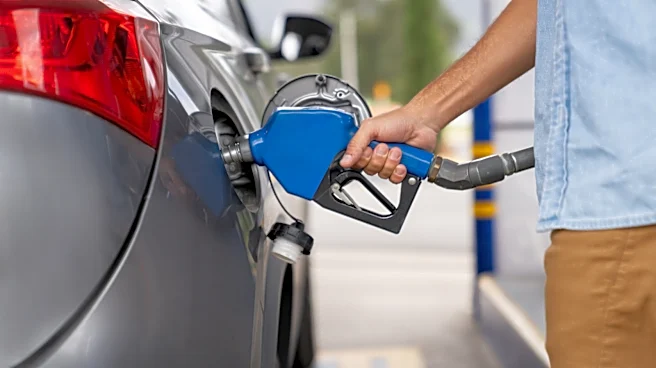
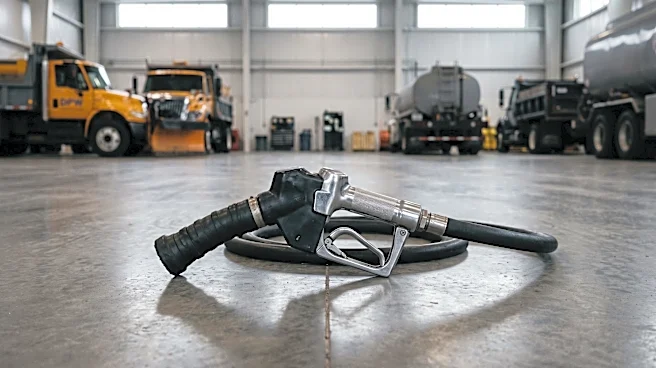
Rapid City officials have reported that increased fuel prices earlier in 2026 significantly impacted the city's fiscal budget. The higher costs affected several municipal departments, including police, sanitation, maintenance, and public transportation.
According to the city's finance director, the 2026 city budget allocated approximately $3.3 million for fuel. However, the city had budgeted for fuel at about $3.50 per gallon, a figure that was exceeded during peak periods in August and September. While savings in other areas helped to partially offset these increased expenses, some departments required additional budget authority to cover their fuel costs. In response, departments are actively seeking ways to reduce travel and overall fuel consumption for the remainder of 2026 and into 2027.
Why It's Important?
The impact of rising fuel prices on Rapid City's budget highlights a broader economic vulnerability for municipal governments across the U.S. Unforeseen increases in essential operational costs, such as fuel, can strain public finances, potentially leading to budget reallocations, service reductions, or delays in planned projects. For Rapid City, this situation means that departments must find efficiencies and reduce fuel usage, which could affect the frequency or scope of services provided to residents. The need for additional budget authority for fuel expenses indicates a direct financial burden on taxpayers and the city's general fund. This scenario underscores the importance of accurate forecasting and flexible budgeting in managing public resources amidst volatile market conditions, particularly for critical services that rely heavily on transportation.
What's Next?
Rapid City's 2027 budget, which is set to take effect in January, has already accounted for the anticipated higher fuel costs, with approximately $4 per gallon budgeted. This proactive adjustment suggests that city officials are preparing for continued elevated fuel prices. Departments will likely continue implementing strategies to reduce travel and fuel consumption, which could include optimizing routes for public transportation and sanitation services, encouraging carpooling for city employees, or investing in more fuel-efficient vehicles in the long term. The city will monitor fuel market fluctuations to ensure budget stability and maintain essential services without significant disruption. Future budget cycles will likely incorporate more robust contingency planning for energy costs.
Beyond the Headlines
The situation in Rapid City reflects a national challenge for local governments grappling with inflation and supply chain volatility. Beyond the immediate financial strain, persistent high fuel costs could accelerate the push towards sustainable transportation solutions and energy independence at the municipal level. Cities might explore greater investment in electric vehicle fleets, expand public transit options to reduce reliance on individual vehicle use, or implement smart city technologies to optimize resource allocation. This could also spark discussions about local tax structures and revenue generation to build more resilient budgets capable of absorbing unexpected economic shocks, ultimately influencing urban planning and infrastructure development for years to come.