







What's Happening?
The Afghanistan women's national soccer team has been reinstated to compete in official competitions following a decision by the FIFA Council. This comes after a prolonged period of exile that began in August 2021, when the Taliban regained control of Afghanistan.
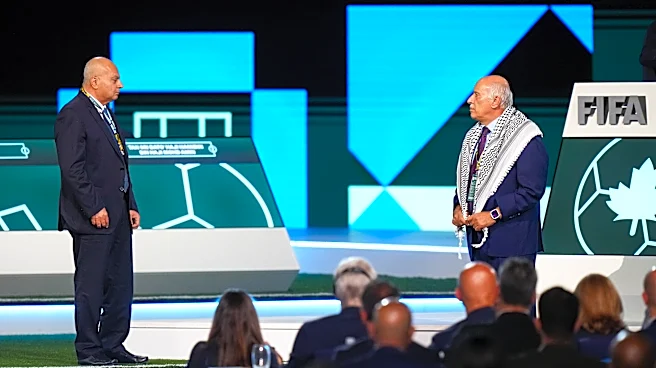
The team had been unable to compete due to the Afghanistan Football Federation's refusal to sanction them. The FIFA Council's rule change now allows the governing body to handle the sanctioning, enabling the team to resume play. Khalida Popal, the former team captain, celebrated this as a 'historical moment' at the FIFA Congress.
Why It's Important?
The reinstatement of the Afghanistan women's national team is a significant victory for women's rights and sports diplomacy. It highlights the role of international sports organizations in supporting athletes from conflict-affected regions. This decision not only allows Afghan women to participate in global sports but also sets a precedent for other teams facing similar challenges. It underscores the importance of safeguarding and security in sports, ensuring that athletes can compete without fear of political or social repercussions.
What's Next?
The Afghanistan women's national team is set to participate in matches in New Zealand during the June international window. The focus will now shift to ensuring regular competitive opportunities for the team, as promised by FIFA. This development may encourage other sports organizations to adopt similar measures to support athletes in exile. The team's participation in international competitions could inspire more Afghan women to engage in sports, promoting gender equality and empowerment in the region.
Beyond the Headlines
This development highlights the intersection of sports, politics, and human rights. The Afghanistan women's national team's journey reflects broader struggles for gender equality and the right to participate in sports without discrimination. The support from FIFA and other international bodies demonstrates the potential of sports as a platform for social change and advocacy. This case may influence future policies regarding the inclusion and protection of athletes from conflict zones.