







What's Happening?
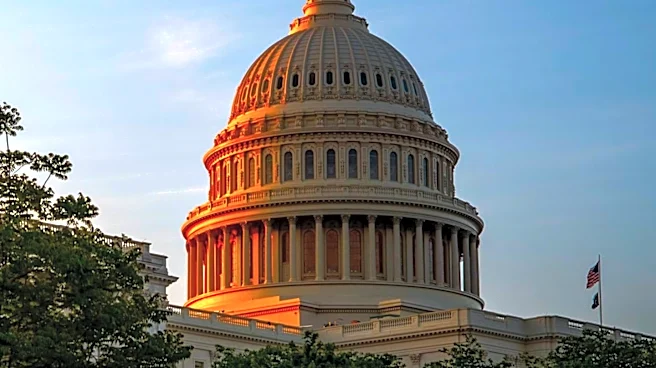
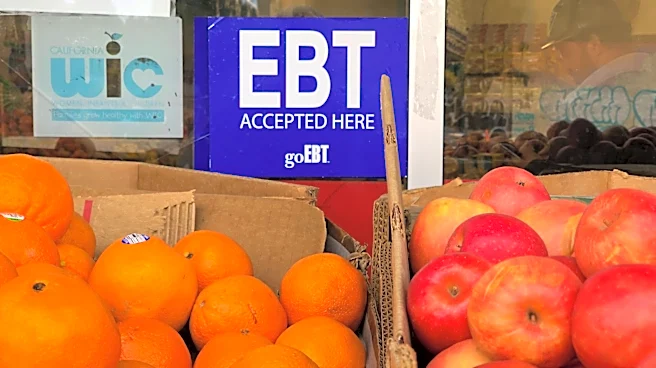
U.S. Congressional Representative Mike Thompson recently toured the Woodland Food Closet in Yolo County, California. This visit occurred as a national conversation is taking place regarding potential funding cuts to government programs designed to address
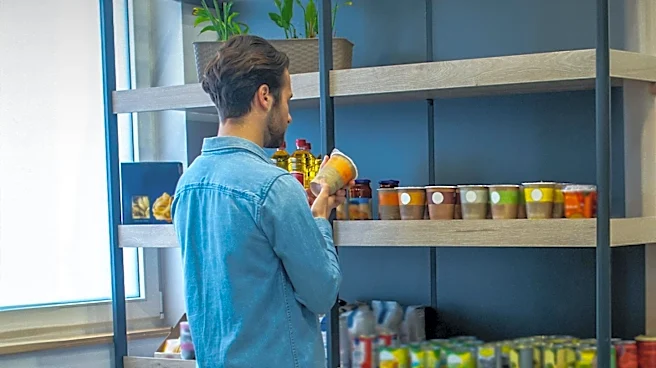
poverty and food insecurity, including the Supplemental Nutrition Assistance Program (SNAP). The Woodland Food Closet, established in 1968, provides emergency food assistance to residents of Woodland and surrounding communities, offering three days' worth of nutritionally balanced meals to clients. The organization has seen a significant increase in demand, with the number of people served monthly rising from approximately 200 at the beginning of 2020 to nearly 1,000 currently. This surge in need has prompted the Food Closet to expand its operations, including increasing its food supply and storage capacity. The organization also participates in California's food recovery efforts, collecting surplus edible food from local businesses and vendors to prevent waste and distribute it to those in need, a program made possible by SB 1383.
Why It's Important?
The visit by Rep. Thompson highlights the critical role local food assistance programs play in addressing food insecurity, especially in the context of potential federal funding reductions. The Woodland Food Closet's experience of a five-fold increase in clients since 2020 underscores the growing challenge of food insecurity in U.S. communities. Cuts to programs like SNAP could place an even greater burden on local non-profits, which are already stretched thin. The organization's reliance on volunteers and partnerships with local government and businesses for food recovery demonstrates a community-based approach to a national problem. This situation reflects broader concerns about the social safety net and the economic well-being of vulnerable populations across the country. The ability of such organizations to meet demand is directly impacted by both local support and federal policy decisions, making the discussion around government funding for anti-poverty initiatives particularly relevant.
What's Next?
The ongoing national discussion about funding for government-run programs addressing poverty and food insecurity, such as SNAP, will likely continue to shape the operational landscape for organizations like the Woodland Food Closet. Should federal funding cuts materialize, these local food banks may face increased pressure to secure alternative funding sources and expand their community partnerships to meet the rising demand. Rep. Thompson's engagement suggests a potential for legislative advocacy to support these programs. The League of Women Voters of Yolo County is also hosting a forum for California's 4th Congressional District candidates, including Rep. Thompson and Eric Jones, where issues like district opportunities and challenges, which likely include social welfare and economic stability, will be discussed. This forum could provide a platform for candidates to outline their strategies for addressing food insecurity and supporting local initiatives.
Beyond the Headlines
The significant increase in demand for services at the Woodland Food Closet, from 200 to nearly 1,000 people per month since 2020, points to deeper socio-economic shifts beyond the immediate impact of the pandemic. This surge suggests persistent economic challenges for many families, potentially including inflation, stagnant wages, or other systemic issues that push more individuals into food insecurity. The reliance on food recovery efforts, facilitated by legislation like SB 1383, also highlights a broader societal shift towards sustainability and waste reduction, integrating environmental concerns with social welfare. The ethical dimension of food waste, where edible food is diverted from landfills to feed those in need, becomes more prominent. This situation also brings to light the often-invisible struggles within communities and the vital, yet sometimes under-recognized, role of local non-profits in maintaining community well-being when federal support may be uncertain.