






What's Happening?
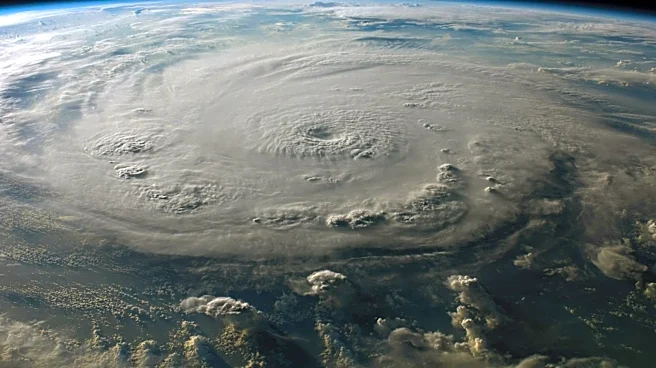
The National Oceanic and Atmospheric Administration (NOAA) has forecasted a below-normal Atlantic hurricane season for 2026, predicting eight to 14 named tropical storms, with three to six potentially becoming hurricanes. Of these, one to three could
reach major hurricane status with winds exceeding 111 mph. This forecast aligns with other academic and private predictions, which also anticipate limited storm activity due to the expected formation of a strong El Nino system. El Nino is known to produce strong winds across the southern U.S., which can disrupt storm formation. The hurricane season runs from June 1 to November 30.
Why It's Important?
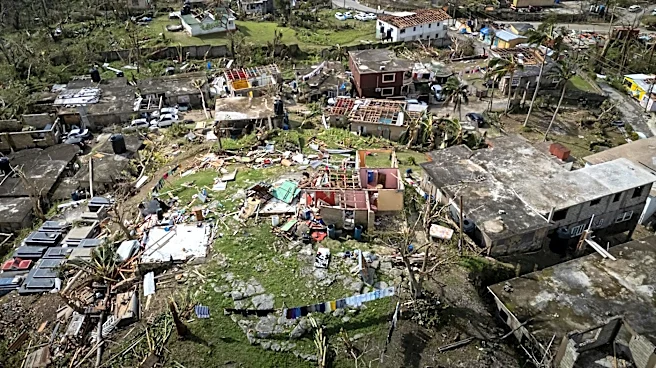
The forecast of a milder hurricane season is significant for residents and industries along the U.S. Atlantic and Gulf coasts, as it suggests a reduced risk of severe storm impacts. However, NOAA officials caution against complacency, emphasizing that even a single storm can cause significant damage. The potential for fewer storms could benefit sectors like insurance and agriculture, which are often heavily impacted by hurricane-related losses. Nonetheless, the presence of El Nino could lead to increased storm activity in the Pacific, affecting different regions.
What's Next?
Residents in hurricane-prone areas are advised to remain vigilant and prepared, despite the below-normal forecast. NOAA and other meteorological agencies will continue to monitor weather patterns and provide updates as the season progresses. The development of El Nino will be closely watched, as it plays a crucial role in influencing storm activity. Emergency management agencies may use this time to review and update preparedness plans to ensure readiness for any potential storms.