







What's Happening?
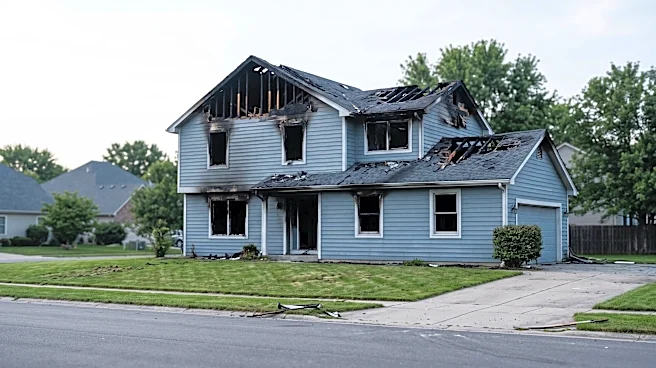
On Sunday night, the Vancouver Fire Department responded to a significant house fire in the 15800 block of Northeast 35th Street. Firefighters arrived at the scene shortly after 7:30 p.m. to find a two-story residence engulfed in flames, with fire visibly
billowing from both the front and back of the structure. Upon arrival, crews immediately initiated an aggressive attack on the blaze while simultaneously conducting a search of the home for any potential occupants. Despite the intensity of the fire, no individuals were found inside the residence. Firefighters successfully brought the fire under control. The cause of the fire is currently under investigation by the Vancouver Fire Department Fire Marshal’s Office, which will work to determine how the incident began.
Why It's Important?
This incident highlights the critical role of rapid response and efficient operations by local fire departments in mitigating property damage and ensuring public safety. The fact that no occupants were found inside the burning home is a positive outcome, preventing potential casualties, which underscores the importance of fire safety measures and early warning systems in residential properties. For the Vancouver community, such events can raise awareness about fire prevention and the need for working smoke detectors. Economically, a residential fire, even without casualties, represents a significant loss for the homeowners and can impact local insurance markets. The investigation by the Fire Marshal’s Office is crucial not only for determining the cause of this specific fire but also for identifying any patterns or common factors that could inform future fire prevention strategies and public education campaigns, ultimately aiming to reduce the incidence and severity of similar events in the region.
What's Next?
The immediate next step involves the Vancouver Fire Department Fire Marshal’s Office conducting a thorough investigation to determine the origin and cause of the fire. This process typically includes examining the scene for evidence, interviewing witnesses, and analyzing any available data. Depending on the findings, the investigation could lead to recommendations for improved fire safety practices, changes in building codes, or public awareness campaigns if a specific preventable cause is identified. For the affected homeowners, the next phase will involve dealing with insurance claims, assessing the extent of the damage, and making decisions regarding repairs or rebuilding. The community may also see increased emphasis on fire safety education from local authorities, particularly concerning residential properties, to prevent future incidents and ensure residents are prepared for emergencies.
Beyond the Headlines
Beyond the immediate response and investigation, this incident subtly underscores broader societal implications related to urban development and community resilience. As cities like Vancouver continue to grow, the density of residential areas and the age of housing stock can influence fire risks and the speed of fire spread. The absence of occupants during the fire, while fortunate, could also prompt discussions about transient populations, vacant properties, or the effectiveness of community watch programs in identifying potential hazards. Furthermore, the incident highlights the psychological impact of such events on neighborhoods, even when no lives are lost. The sight of a home engulfed in flames can create a sense of vulnerability and prompt residents to re-evaluate their own emergency preparedness. This event serves as a reminder of the constant need for vigilance in urban planning, public safety infrastructure, and community engagement to foster a resilient environment against unforeseen disasters.