
What's Happening?
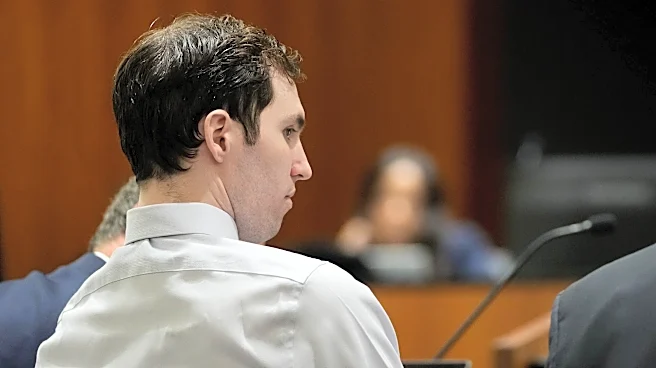
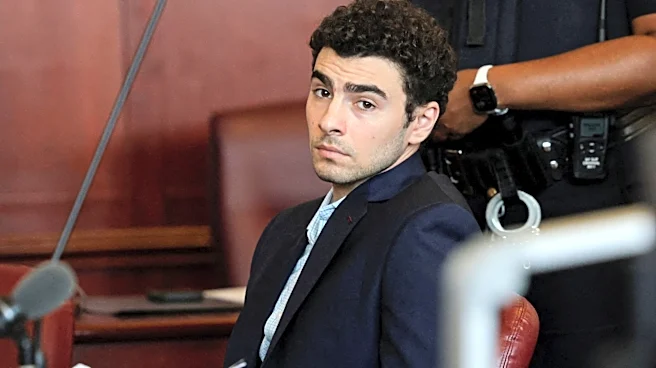
Prosecutors are asserting that the murder of Charlie Kirk was politically motivated, presenting evidence that includes a bullet engraved with the words "Hey Fascist! CATCH!" and a handwritten note from
the accused, Tyler Robinson. The note, allegedly left for Robinson's roommate, Lance Twiggs, stated, "I had the opportunity to take out Charlie Kirk, and I took it." Robinson is charged with aggravated murder and has not yet entered a plea. The prosecution contends that Kirk's opposition to same-sex marriage and gender-affirming care contrasted sharply with Robinson's reported romantic relationship with Twiggs, who had considered gender transition. This evidence is central to the prosecution's argument for aggravating factors that could make Robinson eligible for the death penalty. Defense attorneys have questioned the strength of the evidence for political motivation, particularly regarding a text message attributed to Robinson, and have also argued against a sentence enhancement for endangering others, stating the shooter "hit the intended target."
Why It's Important?
This case highlights the increasing polarization and potential for politically motivated violence in the U.S. The prosecution's focus on political targeting as an aggravating factor for the death penalty underscores the legal system's recognition of such motives as particularly severe. If political animus is proven, it could set a precedent for how similar cases are prosecuted and potentially influence sentencing guidelines for crimes with ideological underpinnings. The debate over whether the shooting endangered others at the Utah Valley University event also raises questions about public safety at large gatherings and the responsibilities of event organizers and law enforcement. The case could also fuel broader discussions about the rhetoric used in political discourse and its potential impact on individuals, particularly concerning controversial social issues like same-sex marriage and gender-affirming care, which were points of contention between Kirk's views and Robinson's alleged motivations.
What's Next?
Judge Tony Graf is expected to decide whether the case will proceed to trial after hearing further arguments from both the prosecution and defense on September 1. Robinson, who turned himself in a day after the shooting, has not yet entered a plea. The legal proceedings will continue to focus on the presence of aggravating factors, which are crucial for determining if the death penalty is a viable option. The defense is likely to persist in challenging the evidence presented by the prosecution, particularly the interpretation of the engraved bullet and the text message as definitive proof of political motivation. The outcome of this case could have significant implications for the accused, the victim's family, and potentially for legal interpretations of politically motivated crimes in the U.S. The trial will also likely draw national attention given the political nature of the alleged motive and the public profile of Charlie Kirk.
Beyond the Headlines
The alleged political motivation behind Charlie Kirk's murder delves into the deeper societal implications of ideological divides and the potential for extreme actions. The case brings to the forefront the ethical considerations surrounding freedom of speech and the boundaries of political expression, especially when it intersects with personal beliefs and identities. The prosecution's emphasis on Kirk's opposition to same-sex marriage and gender-affirming care, contrasted with Robinson's personal life, suggests a clash of values that escalated to violence. This incident could prompt a re-evaluation of how public figures engage in contentious debates and the responsibility of individuals to de-escalate rather than incite. Furthermore, the discussion around the death penalty in this context raises profound moral and legal questions about retribution versus rehabilitation, and the state's role in addressing crimes driven by ideological hatred. The case may also contribute to ongoing conversations about the safety of public figures and the security measures needed at public events in an increasingly polarized nation.