







What's Happening?
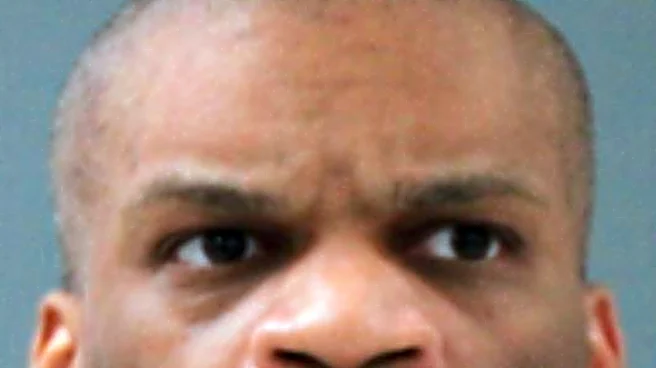
Kansas City Chiefs tight end Travis Kelce has been identified by prosecutors as a victim in a $25 million fraud scheme. The case, prosecuted in St. Louis, resulted in the defendant, Sid Jawahar, being sentenced to 11 years in prison. While court proceedings
mentioned Kelce as a victim, prosecutors did not elaborate on his specific connection to the scheme, citing a policy against discussing individual victims. A 2021 Forbes article indicates that Kelce was an investor in a fund called Swiftarc, which Jawahar co-founded. Jawahar pleaded guilty to federal wire fraud charges in January, having used new investor funds to repay older investors and finance an extravagant lifestyle.
Why It's Important?
The revelation that a high-profile athlete like Travis Kelce was a victim in a multi-million dollar fraud scheme underscores the vulnerability of even financially savvy individuals to sophisticated scams. This incident highlights the broader issue of financial fraud targeting wealthy individuals, including professional athletes who often have substantial earnings but may lack specialized financial oversight. For the sports industry, it serves as a cautionary tale about the importance of due diligence in investments and the need for robust financial advisory services for athletes. The involvement of a U.S. Representative, Sam Graves, in advocating for leniency for the defendant also raises ethical questions about political influence in judicial proceedings and the potential for conflicts of interest.
What's Next?
With Sid Jawahar sentenced to 11 years in prison, the immediate legal proceedings for the fraud scheme are concluded. However, the broader implications, particularly regarding restitution for victims like Travis Kelce, remain. Jawahar indicated a commitment to making restitution, but the judge noted that no restitution was being paid at the time of sentencing. Jawahar is also expected to be deported after serving his prison term. The ethical questions surrounding U.S. Rep. Sam Graves's letter advocating for leniency may continue to be a subject of public and political scrutiny, potentially leading to further investigations or discussions about lobbying and judicial influence.
Beyond the Headlines
This case extends beyond a simple fraud scheme, touching upon the ethical complexities of political influence and the systemic vulnerabilities that allow such schemes to flourish. The attempt by the defendant to influence the judge through a political consultant and a fabricated positive article highlights a concerning manipulation of the justice system. The involvement of a U.S. Representative, even in a personal capacity, in advocating for a convicted fraudster raises significant questions about accountability, transparency, and the potential for undue influence in legal outcomes. This incident underscores the need for greater scrutiny of interactions between political figures and the judiciary, as well as robust protections against financial exploitation, particularly for individuals who may be targets due to their public profile and wealth.