





What's Happening?
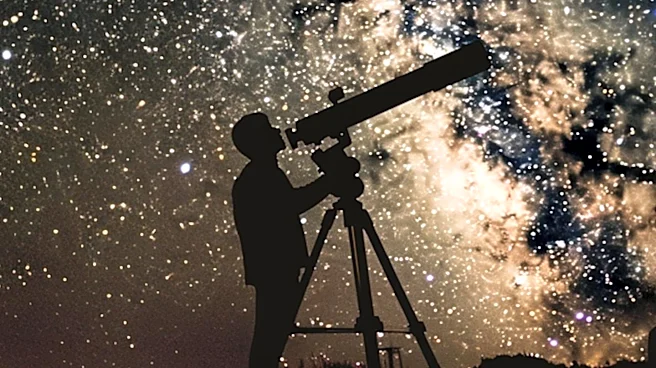
The Perseids meteor shower, one of the most anticipated astronomical events, is set to peak overnight from August 12-13, 2026. This year, the meteor shower is expected to be particularly spectacular due to the absence of moonlight, as it coincides with
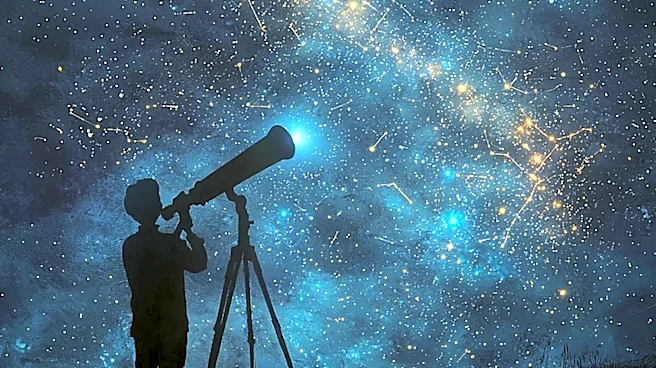
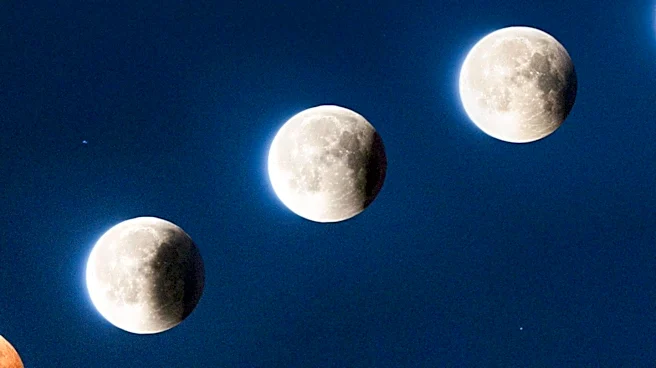
a new Moon. The Perseids are known for their bright meteors and are a favorite among skywatchers. The event is part of a series of astronomical occurrences this summer, including a blood-red lunar eclipse and a visit from a periodic comet. Amateur astronomers are encouraged to find dark viewing spots to fully enjoy the celestial display.
Why It's Important?
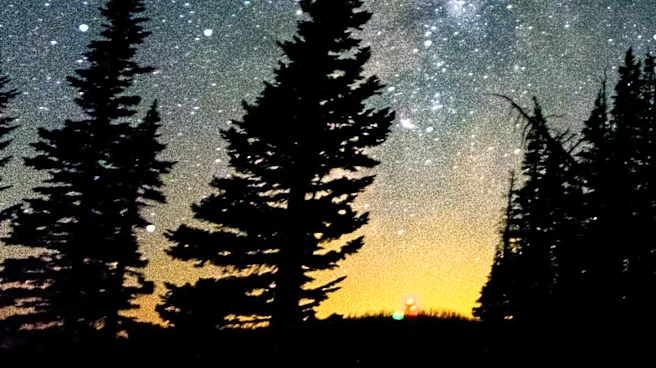
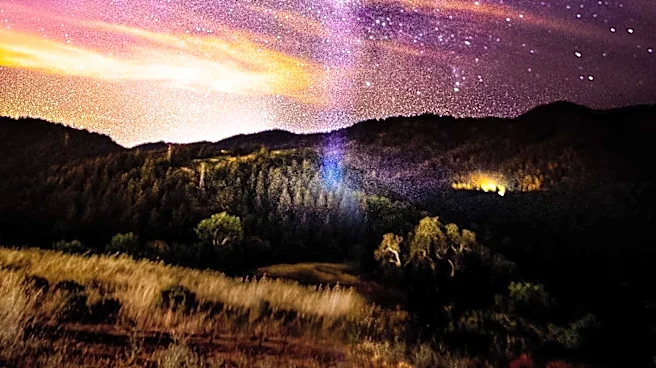
The Perseids meteor shower offers a unique opportunity for both amateur and seasoned astronomers to engage with the night sky. Events like these foster public interest in astronomy and science, providing educational opportunities and community engagement. The meteor shower also highlights the importance of preserving dark skies, as light pollution can significantly hinder the viewing experience. This event underscores the need for initiatives aimed at reducing urban light pollution, which can enhance the visibility of such natural phenomena.
What's Next?
Following the Perseids, skywatchers can look forward to a nearly total lunar eclipse on August 27-28, 2026. This will be another significant event for astronomers and the public alike, offering a chance to observe the Earth's shadow covering the Moon. Additionally, a periodic comet will be visible with small telescopes, providing further opportunities for astronomical observation. These events are expected to continue to draw interest and participation from the public, encouraging more people to explore astronomy as a hobby.