







What's Happening?
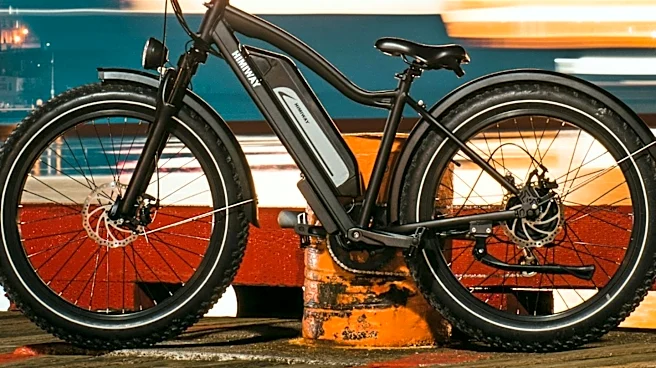
The regulation of e-bikes in the U.S. is becoming increasingly complex due to varying state and municipal laws, safety concerns, and the mislabeling of powerful electric motorcycles as e-bikes. While federal law defines a low-speed electric bicycle as having
a motor under 750 watts, operable pedals, and a top speed of 20 mph on motor power alone, many devices exceeding these specifications are being sold as e-bikes. This confusion has led to a sharp increase in serious injuries and fatalities, particularly among children, as reported by pediatric trauma centers. States like New Jersey have implemented strict regulations, including registration, licensing, and insurance requirements for certain e-bikes, and age restrictions. However, these measures are often a response to accidents involving electric motorcycles that are mistakenly identified as e-bikes, rather than addressing the federally defined low-speed electric bicycles. Online sales platforms further complicate oversight, as manufacturers often misrepresent product capabilities.
Why It's Important?
The current regulatory landscape for e-bikes has significant implications for public safety, consumer protection, and the future of urban mobility in the U.S. The lack of clear, consistent definitions and enforcement across states creates a patchwork of laws that can confuse consumers and riders, leading to dangerous situations. The misrepresentation of high-powered electric motorcycles as e-bikes poses a direct threat, especially to children who may operate them without proper training, licensing, or safety gear. This issue also impacts the perception of legitimate e-bikes, potentially leading to over-regulation that could hinder their adoption as a sustainable transportation alternative. For businesses, the inconsistent regulations create compliance challenges and can lead to legal liabilities. The debate also highlights a broader societal tension between promoting eco-friendly transportation options and ensuring public safety through appropriate classification and oversight of new technologies.
What's Next?
Efforts are underway to address the regulatory challenges and safety concerns surrounding e-bikes. Organizations like People For Bikes are advocating for more consistent state laws, often based on a three-class system that categorizes e-bikes by speed and pedal-assist features. Some states are passing specific laws to combat consumer fraud related to mislabeled electric vehicles, making manufacturers and sellers accountable. Attorney generals in states like New York and California are beginning to take action against companies selling illegal or misrepresented devices. There is also a growing push for federal intervention to clarify definitions and establish uniform safety standards, particularly for devices that exceed the federal definition of a low-speed electric bicycle. The outcome of these legislative and enforcement actions will determine how e-bikes are classified, regulated, and integrated into U.S. transportation systems, with a focus on improving safety and consumer clarity.
Beyond the Headlines
The e-bike regulation debate extends beyond immediate safety and legal issues, touching upon cultural perceptions of cycling and the role of technology in daily life. The sentiment expressed by some, that e-bikes represent a 'spiritual poverty' by making physical effort optional, reflects a broader societal discussion about convenience versus traditional values. Conversely, e-bikes are seen by others as essential tools for expanding access to transportation, particularly for low-income individuals or those with physical limitations. The challenge lies in balancing these diverse perspectives while ensuring public safety. The rise of e-motos disguised as e-bikes also highlights the need for greater transparency in online commerce and the potential for regulatory arbitrage by manufacturers. Ultimately, the evolution of e-bike policy will shape urban planning, recreational activities, and the accessibility of sustainable transportation for various demographics across the U.S.