






What's Happening?
General Motors (GM) has agreed to a $220 million settlement with 36 state attorneys general to resolve allegations that it collected and sold identifiable driving and location information from its OnStar Smart Driver program. The settlement, announced
on October 29, addresses claims that between 2016 and 2024, GM gathered data such as trip times, speed, hard braking, and acceleration, then sold it to data brokers who supplied insurance companies. Some drivers reportedly experienced increased insurance premiums as a result of this data sharing. While GM did not admit wrongdoing as part of the settlement, the agreement includes new privacy requirements for the company. Notably, the $220 million will be distributed among the participating states and will not directly compensate affected drivers. A separate private class-action lawsuit seeking monetary relief for consumers remains pending.
Why It's Important?
This settlement highlights growing concerns over data privacy in the automotive industry and the commercialization of driver data. The case reveals how vehicle manufacturers can leverage connected car technologies to create new revenue streams by selling user information, often without explicit and fully informed consent from consumers. The fact that the settlement funds go to states rather than directly to affected drivers raises questions about consumer restitution and accountability in data privacy breaches. For consumers, this incident underscores the potential financial implications, such as higher insurance rates, stemming from data collected by their vehicles. For the automotive industry, it signals increased regulatory scrutiny regarding data collection practices and the need for greater transparency and stronger privacy safeguards to maintain consumer trust. This event could prompt other automakers to review their data handling policies to avoid similar legal challenges.
What's Next?
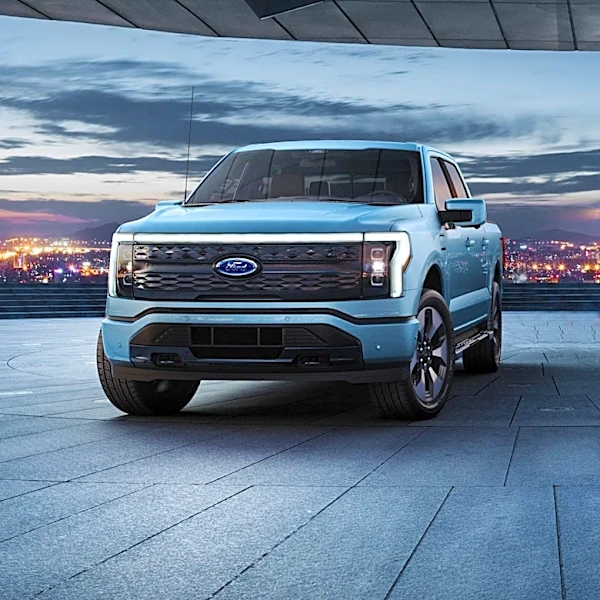
Following this settlement, General Motors will be subject to new privacy requirements regarding its data collection and sharing practices. The ongoing private class-action lawsuit will continue to be a focal point for affected drivers seeking direct compensation. This case is likely to spur further investigations into data privacy practices across the automotive sector, as evidenced by Montana's attorney general opening an investigation into Ford and Stellantis for similar allegations. Consumers can expect increased awareness campaigns and potentially new tools to manage their vehicle data. Regulators may also consider developing more comprehensive federal guidelines or legislation to govern how vehicle data is collected, used, and shared, ensuring greater consumer protection and transparency in the connected car ecosystem. Automakers will likely face pressure to implement clearer opt-in/opt-out mechanisms for data sharing and to be more explicit about how driver data is monetized.
Beyond the Headlines
The GM data scandal exposes a deeper ethical dilemma at the intersection of technology, commerce, and personal privacy. The collection of granular driving behavior and even radio listening data by vehicles, and its subsequent sale to third parties, blurs the lines of what constitutes private information in the digital age. This incident raises fundamental questions about who owns the data generated by a vehicle and whether consumers should share in the profits derived from their personal information. The lack of direct consumer compensation in this multistate settlement highlights a gap in current legal frameworks for addressing widespread data privacy harms. It also underscores the power imbalance between large corporations and individual consumers regarding data control. This event could catalyze a broader societal debate about digital rights, data ownership, and the need for more robust legal protections that ensure individuals benefit from, or at least consent to, the commercial use of their personal data.