


What's Happening?
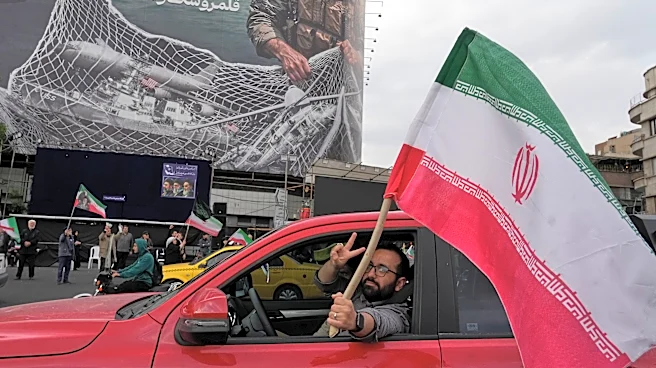
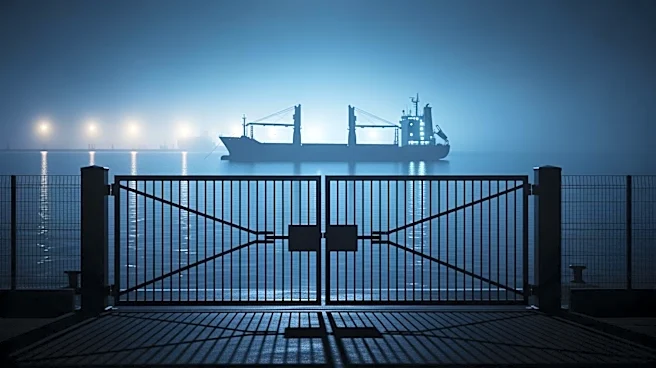
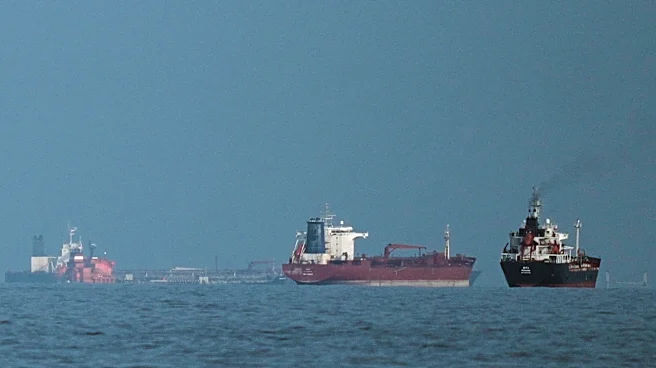
The United States has implemented a blockade that has effectively halted all maritime trade in and out of Iran, a move that significantly impacts Iran's economy, which relies heavily on sea trade. Admiral Brad Cooper of the U.S. Central Command confirmed
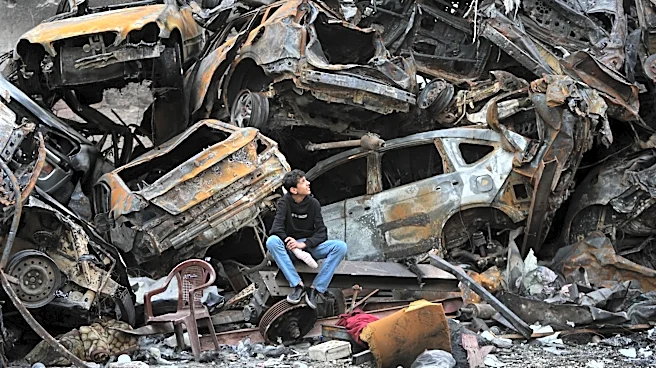
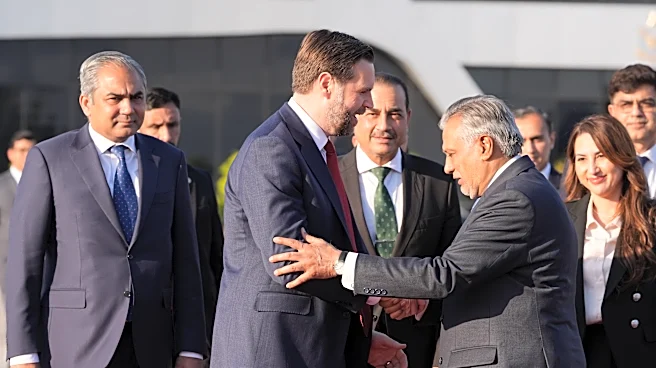
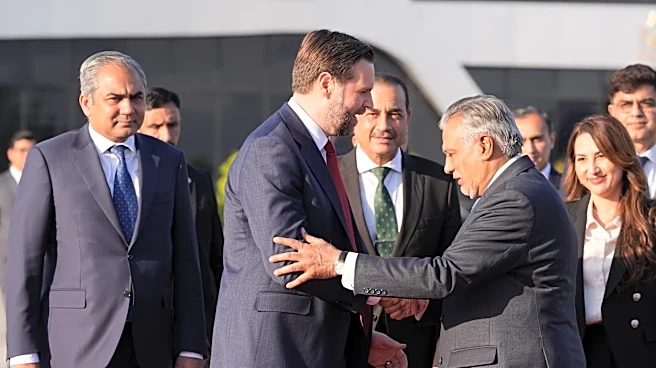
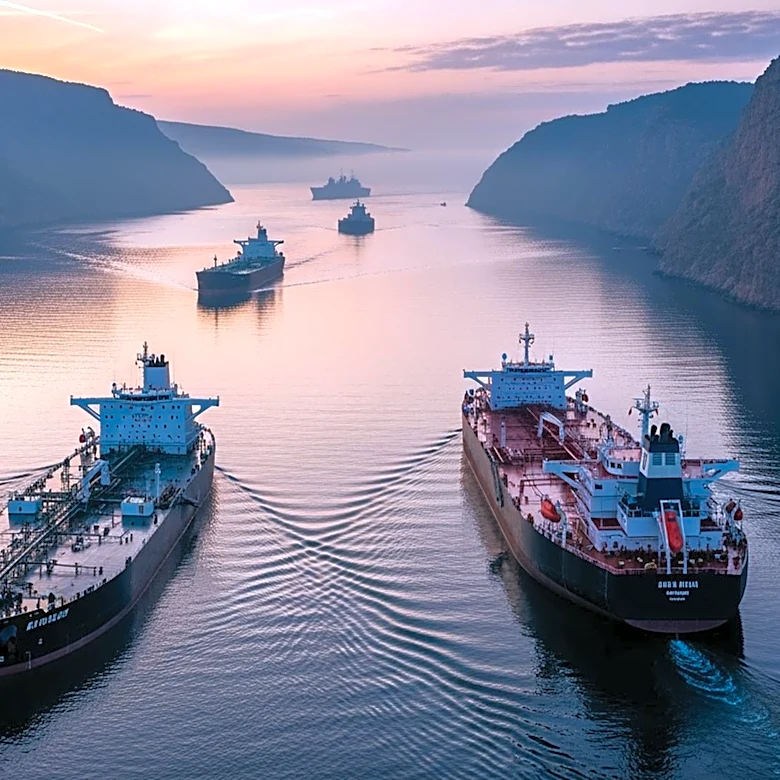
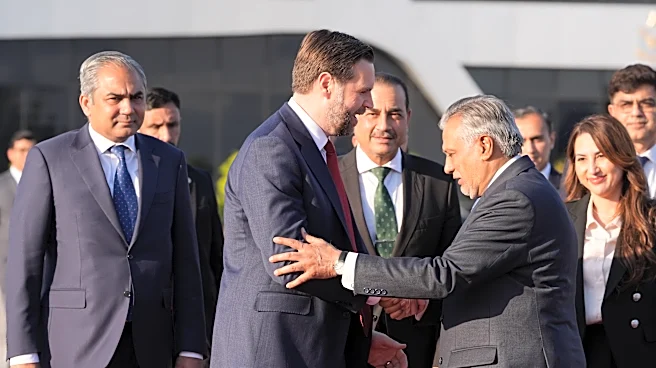
that U.S. forces have intercepted eight Iran-linked oil tankers since the blockade began. This development comes as President Trump indicated that negotiations with Iran could resume in Pakistan within the next two days. The talks aim to end the ongoing conflict that began on February 28, which has resulted in significant casualties. Despite the blockade, there is optimism for diplomatic engagement, with Vice President JD Vance expressing a positive outlook on the potential for a 'grand bargain' with Iran.
Why It's Important?
The blockade and potential resumption of talks are critical due to their implications for global oil markets and geopolitical stability. The halt in Iran's maritime trade could exacerbate global energy prices, affecting economies worldwide. The U.S. strategy aims to pressure Iran into negotiations, potentially leading to a resolution of the conflict and stabilization of oil supply routes. However, the situation remains complex, with ongoing hostilities involving Israel and Hezbollah complicating peace efforts. The outcome of these negotiations could significantly impact U.S. foreign policy and its relations with Middle Eastern countries, as well as global economic stability.
What's Next?
Negotiations between the U.S. and Iran are expected to resume in Pakistan, with both sides working towards a potential deal. Key issues include Iran's nuclear ambitions and the removal of international sanctions. The U.S. has proposed a 20-year suspension of Iran's nuclear activities, while Iran has suggested a shorter halt. The outcome of these talks could lead to a new round of negotiations and potentially a resolution to the conflict. However, ongoing military actions by Israel against Hezbollah and the expiration of sanctions waivers on Iranian oil add layers of complexity to the situation.
Beyond the Headlines
The blockade and potential peace talks highlight the intricate balance of power in the Middle East and the role of international diplomacy in conflict resolution. The U.S.'s approach to Iran's nuclear program and its economic sanctions strategy could set precedents for future international negotiations. Additionally, the involvement of Pakistan as a mediator underscores the geopolitical significance of regional players in facilitating dialogue between major powers. The situation also raises questions about the long-term impact of economic sanctions on civilian populations and the ethical considerations of such strategies.