






What's Happening?
The Hope Center in Blue Island, a non-profit organization founded in 2017, is significantly expanding its urban agriculture initiatives to address food insecurity in the community. Originally focused on food distributions, the center has broadened its scope
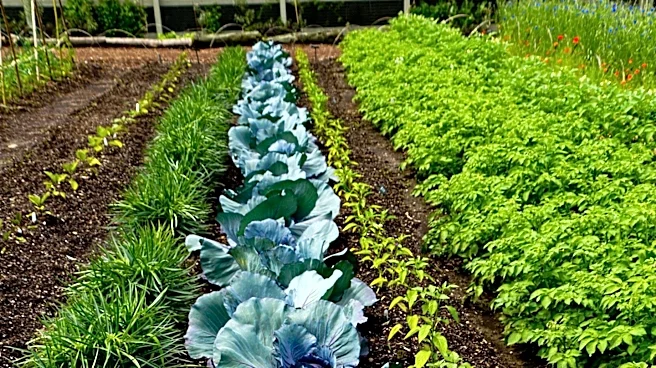
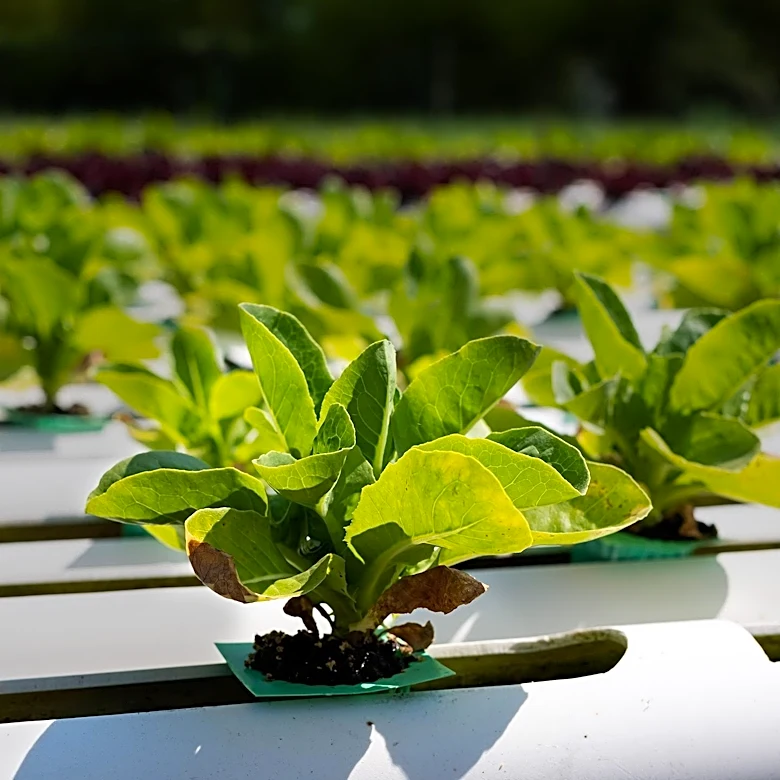
to include education and skill-building in community economic development. Geno McKenna, the indoor garden director, stated that the Hope Center aims to inspire and involve residents in gardening and community agriculture. The center operates both indoor and outdoor gardens, utilizing six hydroponic growing towers donated by Fork Farms, which can produce up to 25 pounds of fresh food every four to five weeks. These towers currently grow various leafy greens, and the center has also started cultivating flowers, basil, cucumbers, peppers, and tomatoes. Outdoors, the Hope Center maintains an aquaponic system, an egg-producing chicken coop, and grows native plants, vegetables, and fruit trees, including pawpaws and plums. Rocio Velis De Arevalo, the outdoor garden director, highlighted that the Blue Island area is considered a food desert, where access to fresh food is limited. The center's efforts are geared towards providing fresh produce year-round and educating the community on sustainable growing practices.
Why It's Important?
The Hope Center's expanded urban agriculture program is crucial for addressing food insecurity in areas like Blue Island, which are designated as food deserts. By providing fresh, locally grown produce, the center directly combats the lack of access to healthy food options that often plagues such communities. This initiative is particularly significant given the recent changes to the Supplemental Nutritional Assistance Program (SNAP), which saw approximately 120,000 Illinois residents lose benefits in May 2026 due to new work requirements. These changes exacerbate existing food insecurity challenges, making local efforts like the Hope Center's even more vital. Furthermore, the center's focus on education and skill-building empowers residents to grow their own food, fostering self-sufficiency and reducing long-term reliance on external aid. This approach not only provides immediate nutritional benefits but also builds community resilience and promotes sustainable living practices, offering a model for other communities facing similar challenges.
What's Next?
The Hope Center is working towards its 2027 goal of launching the 'Blue Island to Food Island Initiative,' which aims to significantly increase food production and impact food insecurity in the area. This past year has been dedicated to operationalizing their systems to prepare for this full-scale production. The center plans to continue offering workshops and learning opportunities on gardening skills, alongside other educational programs in science, technology, engineering, arts, and math. Community members are encouraged to volunteer, as exemplified by Leticia Zarate, who has been volunteering with her children for nearly four years and has started growing plants at home. The Hope Center will also continue to use community feedback to determine the most needed items for distribution, ensuring their efforts remain responsive to local needs. The long-term vision includes educating residents on growing plants within their homes to increase accessibility to fresh produce and make it more cost-effective.
Beyond the Headlines
The Hope Center's work extends beyond simply providing food; it addresses deeper societal issues related to community empowerment and the re-acquisition of traditional skills. Rocio Velis De Arevalo noted that the skill of growing food was common a few generations ago but has largely been lost. By re-teaching these skills, the center is fostering a sense of self-reliance and connection to the land, which can have profound cultural and social benefits. The integration of advanced technologies like hydroponics and aquaponics with traditional gardening methods also highlights an innovative approach to urban agriculture, demonstrating how modern solutions can be applied to age-old problems. This model could inspire broader policy discussions on how urban planning and community development can incorporate food production as a core component, transforming food deserts into vibrant, self-sustaining communities and promoting a more equitable food system.