








What's Happening?
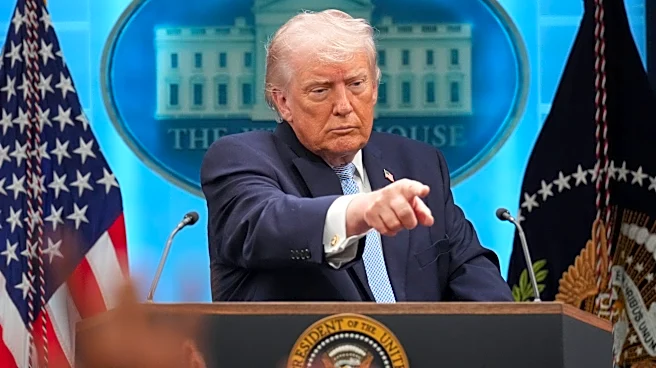
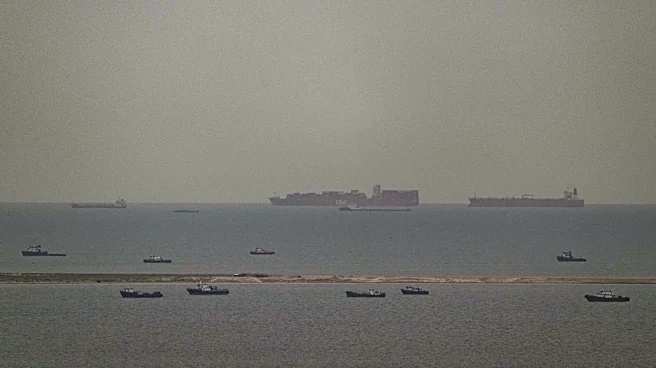
China has emphasized its consistent push for a ceasefire in the Iran conflict, following President Trump's suggestion that Beijing played a role in the truce. The ceasefire, brokered by Pakistan, involves Iran reopening the Strait of Hormuz and the U.S.
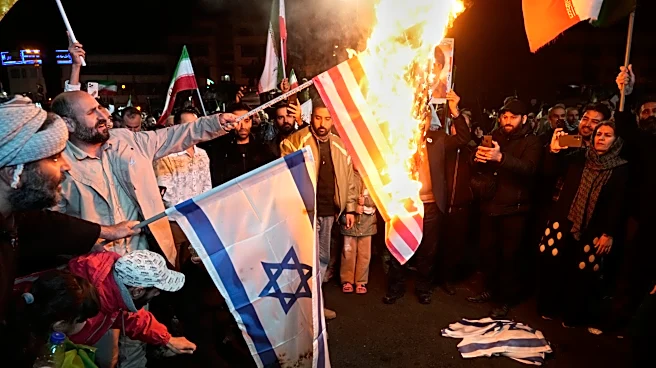
and Israel halting their bombing campaigns. While Trump claimed a 'total and complete victory,' China's Foreign Ministry did not confirm direct involvement but reiterated its commitment to regional peace. China has been actively engaged in diplomatic efforts, including a five-point peace proposal and discussions with multiple countries. The ceasefire is seen as a step towards a more permanent settlement, with ongoing negotiations based on a 10-point framework proposed by Iran.
Why It's Important?
The ceasefire is crucial for maintaining stability in a region critical to global oil supply, as the Strait of Hormuz is a major chokepoint for crude oil transportation. China's involvement underscores its strategic interest in ensuring the free flow of oil, given its reliance on imports passing through the strait. The ceasefire also highlights China's growing diplomatic influence in the Middle East, as it seeks to balance its relationships with both Iran and the U.S. The outcome of the negotiations could have significant implications for international relations and energy markets, affecting global economic conditions.
What's Next?
Negotiations between the U.S. and Iran are set to continue, with the potential for a more comprehensive peace agreement. China's role in these talks will be closely watched, as it seeks to maintain its influence and protect its economic interests. The international community will be monitoring the situation, particularly the responses from regional actors like Israel, which has expressed concerns about security threats from Hezbollah. The success of the ceasefire and subsequent negotiations could lead to a more stable Middle East, with broader implications for global diplomacy and economic stability.