





What's Happening?
California Governor Gavin Newsom has signed new legislation aimed at accelerating the development of nuclear fission, nuclear fusion, and quantum computing industries within the state. This initiative is supported by a $30 million investment designed
to solidify California's leadership in these energy technologies. The legislation includes Assembly Bill 2647, which mandates the Energy Commission to assess the potential role of advanced nuclear technologies and new in-state nuclear power plants in achieving 100% zero-carbon electricity by 2045. Additionally, Senate Bill 925 requires the State Energy Resources Conservation and Development Commission to develop a strategic plan for fusion energy development by December 31, 2029. This plan will cover expanding research and development, commercialization strategies, regulatory frameworks, and assessing fusion energy's contribution to long-term renewable energy goals. These actions build upon previous legislation, such as Assembly Bill 1172 and Senate Bill 80, which established a framework for incorporating commercial fusion and streamlining facility permitting, and the 2025 launch of 'Quantum California,' a statewide initiative fostering collaboration in quantum technology.
Why It's Important?
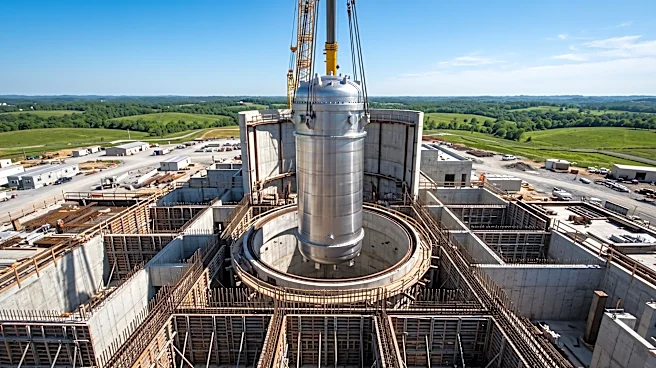
This legislative push is significant for California's energy future and its broader economic landscape. By investing in nuclear fission, fusion, and quantum computing, California aims to diversify its clean energy portfolio, moving beyond traditional renewable sources like solar and wind. This could provide more reliable and affordable electricity, addressing concerns about grid stability and energy costs. The $30 million investment and the creation of strategic plans are expected to foster innovation, attract private investment, and create high-tech jobs within the state. The focus on advanced nuclear technologies, including small modular reactors, could offer a consistent, carbon-free power source, complementing intermittent renewables. This move also positions California as a leader in emerging energy sectors, potentially influencing national energy policy and technological advancements. The legislation acknowledges that past energy choices, based on older technologies, need to be re-evaluated in light of current needs for firm, clean power.
What's Next?
The immediate next steps involve the California Energy Commission preparing a comprehensive assessment of advanced nuclear technologies by January 1, 2028, and the State Energy Resources Conservation and Development Commission developing a strategic plan for fusion energy by December 31, 2029. These assessments and plans will guide future policy decisions and investments in these sectors. Stakeholders, including universities, national laboratories, private companies, and policymakers, are expected to collaborate to implement these initiatives. The state will also continue to leverage public-private partnerships and cultivate a quantum start-up ecosystem. The success of these efforts will depend on effective execution of the strategic plans, continued investment, and the ability to overcome potential regulatory and technological hurdles. The long-term goal is to integrate these advanced energy sources into California's grid to achieve its 2045 zero-carbon electricity target.
Beyond the Headlines
This legislative shift in California signals a potential re-evaluation of nuclear energy's role in achieving climate goals, even in states with strong environmental movements. Historically, California has had a cautious stance on nuclear power, but the current legislation suggests a pragmatic approach to energy security and decarbonization. The emphasis on fusion energy and quantum computing also highlights a broader trend towards investing in cutting-edge technologies that promise transformative impacts beyond just energy production, potentially affecting fields like computing, materials science, and national security. The move could also spark a national conversation about the viability and necessity of advanced nuclear technologies in the U.S. energy mix, especially as other states and countries grapple with similar challenges in transitioning to clean energy while maintaining grid reliability. This could lead to a re-examination of existing anti-nuclear sentiments and policies, driven by the urgent need for scalable, carbon-free power solutions.