


What's Happening?
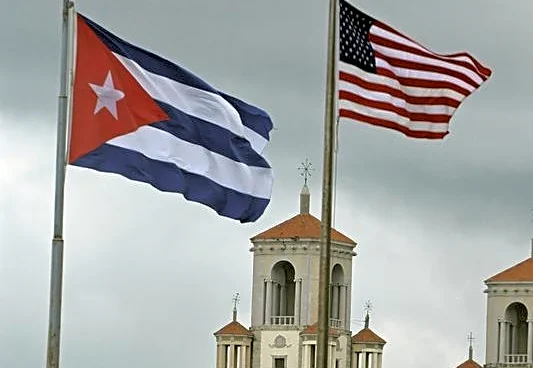
Cuban President Miguel Díaz-Canel has confirmed that his government is engaged in talks with the United States following President Trump's suggestion of a 'friendly takeover' of Cuba. The discussions aim to address bilateral differences through dialogue,
emphasizing equality and respect for each country's political systems. This development comes after President Trump halted Venezuelan oil shipments to Cuba and threatened tariffs on countries selling oil to the island, exacerbating Cuba's energy and financial crisis. The Cuban government has responded by releasing 51 political prisoners, signaling a potential shift in diplomatic relations.
Why It's Important?
The talks between Cuba and the US could mark a significant shift in the longstanding adversarial relationship between the two nations. For Cuba, the discussions offer a potential lifeline amid severe economic challenges exacerbated by the cessation of Venezuelan oil imports. For the US, a 'friendly takeover' could reshape regional dynamics, potentially reducing the influence of socialist regimes in Latin America. The outcome of these talks could impact Cuban citizens, particularly those in the US, by potentially easing tensions and fostering economic opportunities. However, the talks also raise questions about the future of Cuba's political system and sovereignty.
What's Next?
The next steps in the US-Cuba talks remain uncertain, but potential outcomes could include economic reforms in Cuba and a shift in US foreign policy towards the island. Stakeholders such as Cuban expatriates in the US and international allies will likely monitor the situation closely. The US may continue to leverage economic pressure to influence Cuba's political landscape, while Cuba may seek to balance sovereignty with economic necessity. The international community will watch for any changes in Cuba's governance or economic policies as a result of these discussions.