



What's Happening?
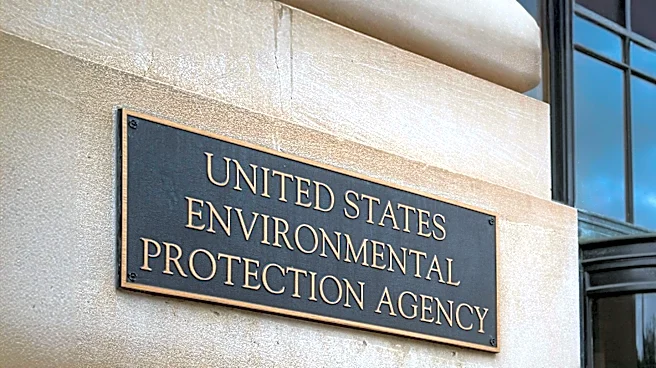
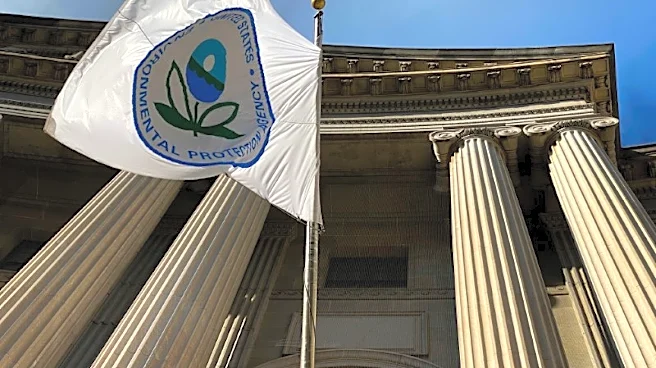
The U.S. Environmental Protection Agency (EPA) has recently changed its approach to evaluating air pollution regulations. Historically, the EPA considered both the costs to businesses and the health benefits to individuals, including the monetary value
of lives saved and avoided health issues like asthma attacks, when setting limits on pollution under the Clean Air Act. However, the agency has now announced it will no longer estimate the dollar value of these health benefits in its rulemaking process. Instead, the EPA will focus solely on calculating savings for polluting industries. This shift means that the health impacts on the public will not be monetized and included in the cost-benefit analyses for new air pollution standards. This change has been met with concern from public health organizations, who argue it could lead to a weakening of clean air protections.
Why It's Important?
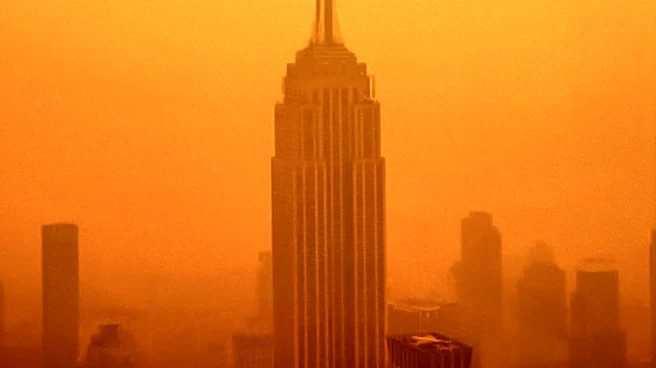
This policy change by the EPA carries significant implications for public health and the economy in the United States. By removing the valuation of health benefits from its regulatory assessments, the EPA is effectively downplaying the human cost of air pollution. Years of research have demonstrated that robust clean air rules have substantially reduced pollution and improved public health, preventing hundreds of thousands of early deaths, millions of asthma flare-ups, and billions in healthcare costs. The new approach risks reversing these gains, potentially leading to increased exposure to pollutants from vehicles, power plants, and factories. This could result in a rise in respiratory illnesses, hospital visits, missed work and school days, and premature deaths, disproportionately affecting vulnerable populations such as children, older adults, and individuals with pre-existing chronic diseases. Economically, while polluting industries might see short-term savings, the broader societal costs due to worsened public health and increased healthcare expenditures could be substantial, potentially costing the public significantly more than any industry savings.
What's Next?
Public health organizations are actively responding to the EPA's policy changes. Groups like the American Lung Association are partnering with independent research organizations, such as Resources for the Future (RFF), to conduct detailed analyses of how these rollbacks could affect public health. These studies aim to model the impacts of the EPA's decisions, including the repeal of the Endangerment Finding and changes to pollution limits for vehicles and power plants, considering factors like increased electricity use and the repeal of clean energy investments. The Lung Association plans to build on these findings by focusing specifically on lung health impacts, such as increased hospital visits, asthma attacks, and missed school days. These efforts are intended to inform elected leaders and the public about the potential consequences of these policy shifts and advocate for stronger clean air regulations. The ongoing analyses and advocacy will likely shape future debates and potential legal challenges regarding environmental protection and public health standards.
Beyond the Headlines
The EPA's decision to exclude health benefit valuations from its air pollution rulemaking reflects a deeper philosophical shift in how environmental regulations are assessed and prioritized. This move raises ethical questions about the value placed on human life and health in policy decisions, suggesting a prioritization of industrial economic interests over public well-being. It also highlights a potential long-term shift in environmental policy, moving away from a comprehensive cost-benefit analysis that includes societal health gains. This could set a precedent for future regulatory decisions across various sectors, potentially weakening environmental protections more broadly. The change also underscores the ongoing tension between economic development and environmental conservation, and how different administrations interpret and apply existing environmental laws. The long-term implications could include a redefinition of the EPA's role and a re-evaluation of the balance between regulatory burden and public health outcomes, potentially leading to a more polluted environment and a less healthy populace in the long run.