


What's Happening?
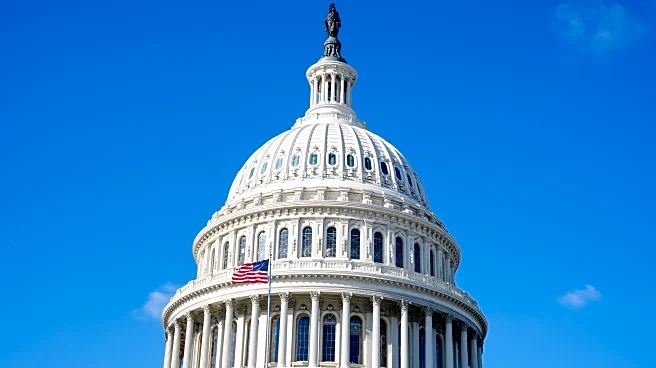
U.S. Capitol Police arrested an 18-year-old man who ran towards the Capitol Building in Washington, D.C., armed with a shotgun. The incident occurred when the man parked a Mercedes SUV near the Capitol and ran several hundred yards towards the building
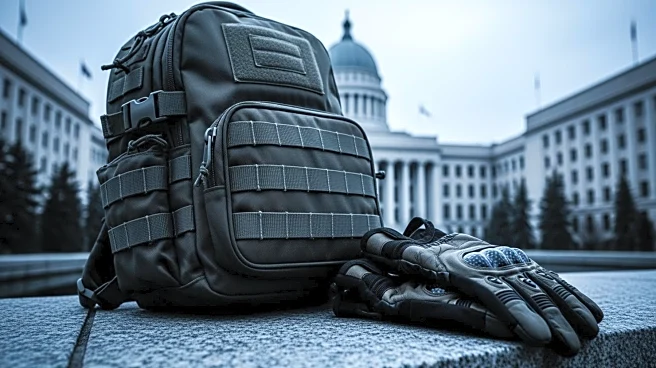
before being intercepted by officers. The suspect was wearing a tactical vest and gloves, and had a Kevlar helmet and gas mask in the vehicle. The shotgun was loaded, and he carried additional rounds. Capitol Police Chief Michael Sullivan stated that the motive is under investigation, and it is unclear if members of Congress were targeted. Congress was not in session at the time. The suspect was not known to authorities and was not from the area. The vehicle was not registered to him, and he had multiple addresses.
Why It's Important?
This incident underscores ongoing security concerns at the U.S. Capitol, a site of previous security breaches. The arrest highlights the effectiveness of Capitol Police's preparedness, as they had conducted active shooter drills in the area recently. The timing is significant, occurring just a week before President Trump's State of the Union address, an event that requires heightened security measures. The incident also reflects broader concerns about gun violence and security in public spaces, particularly in politically sensitive locations. The presence of tactical gear and additional ammunition suggests a potential for significant harm, emphasizing the need for continued vigilance and robust security protocols.
What's Next?
The investigation into the suspect's motives and background is ongoing. Capitol Police are reviewing video footage and have requested public assistance for any additional footage. The incident is unlikely to alter security plans for the upcoming State of the Union address, as Chief Sullivan emphasized the seriousness with which the agency approaches such events. The broader implications may include discussions on enhancing security measures at the Capitol and other government buildings, as well as potential legislative responses to address security threats.