






What's Happening?
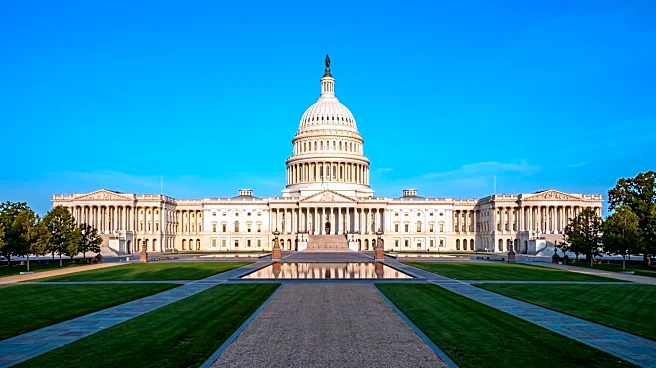
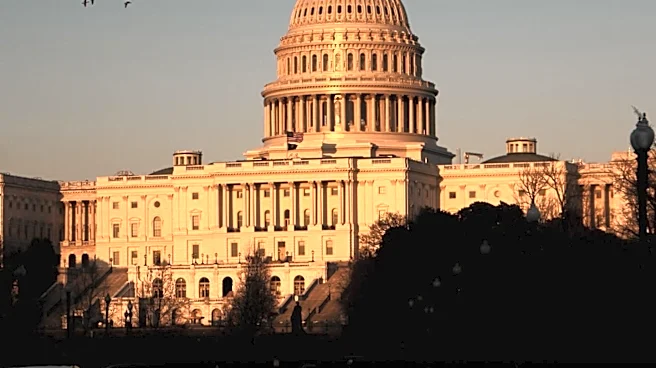
The United States Senate Committee on Agriculture, Nutrition, and Forestry has approved a new farm bill, moving it forward for consideration by the full Senate. This legislation is a critical piece of policy for the agricultural sector, influencing programs
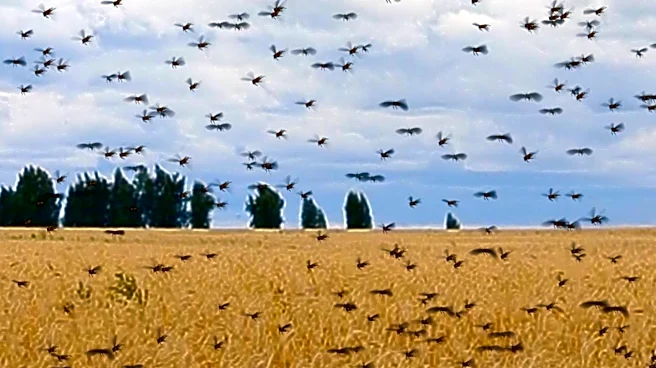
that support farmers, ranchers, food systems, rural communities, and agricultural research. Over 260 agricultural organizations have urged lawmakers to advance the bill, underscoring its importance to the farming industry. Key provisions in the proposed bill include expanding animal health and disease management programs, such as making the Feral Swine Eradication and Control Program permanent. It also seeks to more than double funding for agricultural export promotion initiatives to help U.S. products access international markets. Additionally, the bill proposes updates to nutrition programs, including adding animal protein products to eligible foods for certain incentive programs, and allocates significant attention to agricultural research and animal disease prevention by allowing unused funds to carry over into future years. Investments are also directed towards national animal health programs and disease preparedness initiatives, such as the National Animal Health Laboratory Network and the National Animal Disease Preparedness and Response Program. The legislation also aims to strengthen the U.S. Swine Health Improvement Plan by making it a permanent voluntary certification system.
Why It's Important?
This farm bill is crucial for the stability and future of U.S. agriculture. Its provisions directly impact the economic viability of farmers and ranchers by supporting market access through increased export promotion and by mitigating threats like feral swine and animal diseases. The expansion of animal health programs and research funding is vital for protecting livestock, ensuring food safety, and maintaining the competitiveness of American agricultural products both domestically and internationally. By making programs like the Feral Swine Eradication and Control Program permanent, the bill addresses long-standing issues that cause significant economic damage to crops and spread diseases, thereby safeguarding agricultural productivity. The proposed changes to nutrition programs could also create new opportunities for livestock producers while offering consumers more diverse healthy food choices. Furthermore, the bill's focus on agricultural research and disease preparedness is essential for building a resilient food system capable of responding to future challenges and protecting the nation's food supply from emerging threats. The legislation's comprehensive scope means it will shape how key farming programs are funded and managed for years to come, affecting producers, rural communities, and consumers across the country.
What's Next?
The farm bill will now proceed to the full Senate for a vote. As it moves through the legislative process, stakeholders are expected to continue discussions with lawmakers, potentially leading to additional changes before its final passage. Agricultural groups will closely monitor its progress and any modifications. The bill is typically renewed every five years, and its outcome will determine the framework for numerous agricultural programs, including conservation initiatives, nutrition assistance efforts, agricultural research, export development, and animal health programs. The U.S. Departments of Agriculture and Health and Human Services are also directed to publish the Dietary Guidelines for Americans every ten years instead of five, which would provide greater consistency and allow more time for scientific evaluation. The final version of the bill will have broad implications for the U.S. agricultural industry, influencing its economic health, environmental sustainability, and food security for the foreseeable future.
Beyond the Headlines
Beyond its immediate policy implications, the farm bill reflects a broader national commitment to food security and the economic well-being of rural America. The emphasis on animal health and disease prevention highlights the increasing awareness of the interconnectedness of animal, human, and environmental health, often referred to as the 'One Health' approach. By investing in these areas, the U.S. aims to prevent potential pandemics and protect its agricultural trade. The push for increased agricultural exports also underscores the U.S.'s role in global food markets and its strategy to maintain a competitive edge against other agricultural powerhouses. The debate and eventual passage of this bill will also reveal the evolving priorities within the U.S. political landscape regarding agricultural subsidies, environmental conservation, and the balance between supporting large-scale industrial farming and smaller, diversified operations. The bill's long-term impact will extend to consumer food prices, the availability of certain food products, and the overall health of the agricultural workforce.