







What's Happening?
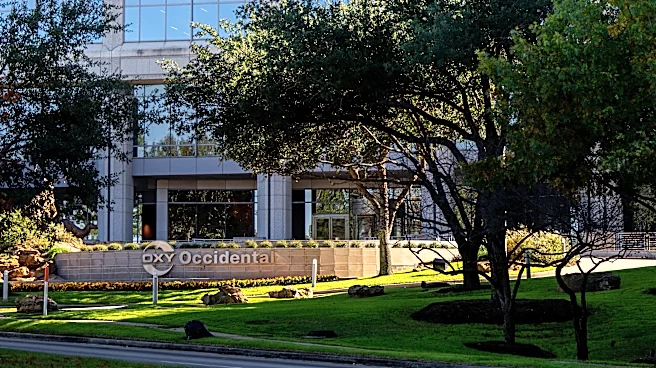
Occidental College in California is bracing for the impacts of what climate scientists predict could be the worst El Niño event in recorded history, expected to strengthen through early 2027. This naturally occurring climate pattern, characterized by
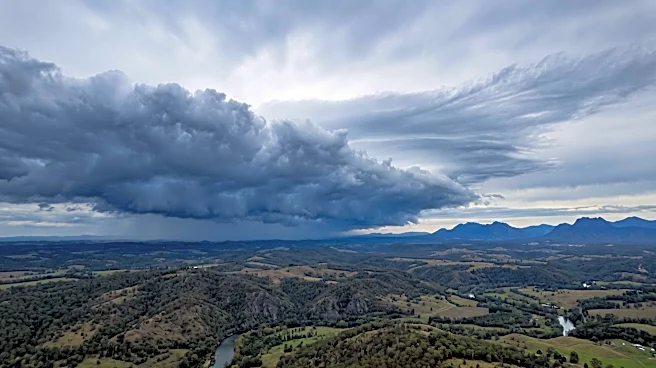
massive storm clouds, is projected to bring heavy rain and severe storms to Southern California. Assistant Vice President of Facilities Management David Caldwell stated that rising global temperatures and warm Pacific waters are exacerbating this El Niño, leading to a higher likelihood of intense flooding and frequent power outages across the region. The college's Emergency Response Team (ERT) has established a website with resources and will issue notifications regarding class cancellations or campus disruptions. Facilities staff are actively surveying the campus, repairing drains, and gathering supplies like water pumps and cleanup equipment to mitigate potential damage and ensure a swift response to any incidents.
Why It's Important?
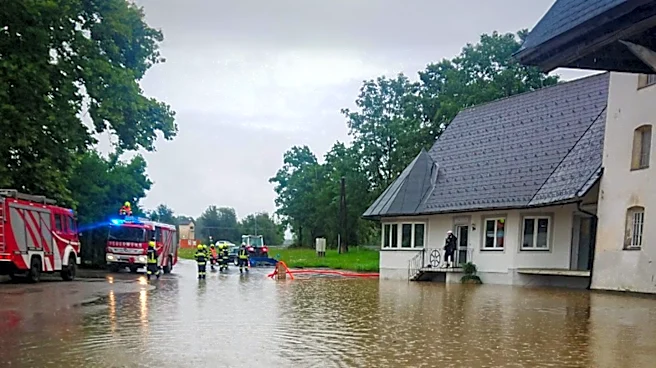
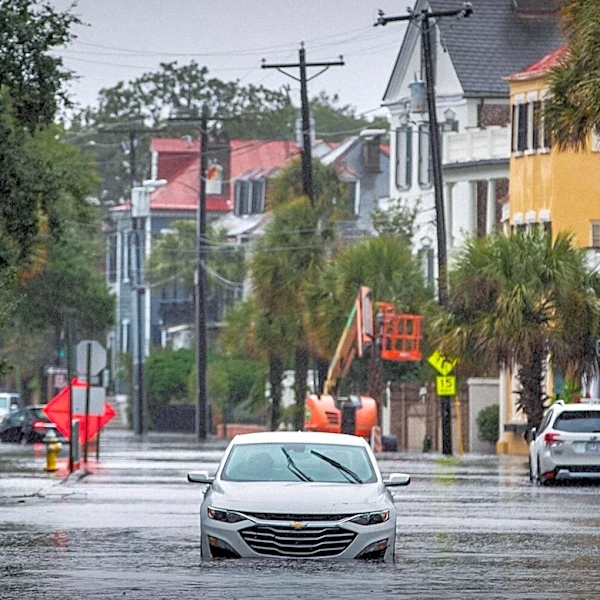
The anticipated severity of this El Niño event highlights the increasing vulnerability of infrastructure and daily life to extreme weather phenomena, particularly in regions like Southern California. For Occidental College, the preparations underscore the broader challenge faced by institutions and communities in adapting to climate change-exacerbated weather patterns. The potential for widespread flooding and power outages could disrupt academic operations, impact student safety, and necessitate significant resource allocation for emergency response and recovery. The proactive measures taken by the college, such as drain inspections and supply stockpiling, demonstrate a critical need for resilience planning. This situation also brings attention to the importance of community awareness and communication during such events, as emphasized by Caldwell's call for vigilance regarding weather alerts and campus notifications.
What's Next?
Occidental College will continue to monitor projections from the National Weather Service and LA County, issuing alerts through its emergency alert system as needed. The college's Emergency Response Team will make determinations regarding campus closures or transitions to remote learning if conditions become unsafe. Facilities staff will remain vigilant, patrolling the campus during heavy storms to address issues like drain blockages and pooling water. Community members, including students and staff, are advised to stay informed through the ERT website and official communications. The college's ongoing efforts to repair and inspect infrastructure, coupled with stockpiling emergency supplies, will be crucial in minimizing the impact of the severe weather expected in the coming months.
Beyond the Headlines
The situation at Occidental College reflects a growing trend where educational institutions and urban centers must integrate climate resilience into their long-term planning. The specific challenges faced by a hillside campus, such as debris-laden water and collapsed drain pipes, illustrate the complex engineering and maintenance efforts required to manage stormwater in vulnerable topographies. Furthermore, the involvement of student groups like FEAST in adapting their organic garden to increased flooding demonstrates a grassroots response to climate impacts, highlighting the importance of community-wide engagement. This event could serve as a case study for other institutions on comprehensive preparedness strategies, from infrastructure upgrades to communication protocols, in the face of increasingly unpredictable and intense weather events driven by climate change.