







What's Happening?
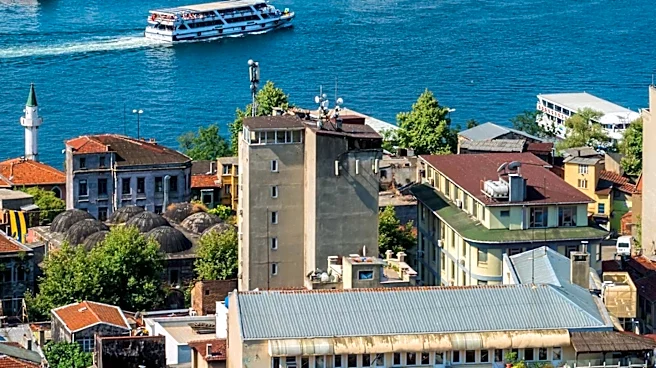
Istanbul has consistently ranked among the world's most visited cities, a position attributed to its unique geographical and cultural blend, straddling both Europe and Asia. The city's appeal is multifaceted, encompassing historical landmarks from the Byzantine
and Ottoman empires, such as the Hagia Sophia, Topkapi Palace, and the Blue Mosque. These sites offer visitors a deep dive into centuries of layered history. A significant factor contributing to Istanbul's high visitor numbers is its role as a major airline hub. Istanbul Airport, opened in 2018, has substantially increased capacity for connections between Europe, Asia, Africa, and the Middle East, with Turkish Airlines playing a crucial role in driving arrivals. The city also benefits from the Sabiha Gökçen Airport on the Asian side, which handles low-cost and regional traffic. The presence of large markets like the Grand Bazaar and Spice Bazaar, alongside a rich culinary scene influenced by Ottoman, Anatolian, and Mediterranean traditions, further enhances its attractiveness. Additionally, the sustained depreciation of the Turkish lira has made Istanbul a more affordable destination for international travelers holding stronger currencies, boosting its competitiveness against other European cities. The Turkish government actively promotes tourism as a key foreign-currency earner.
Why It's Important?
Istanbul's consistent ranking as a top global destination highlights the economic significance of tourism for the city and Turkey as a whole. The influx of international visitors directly contributes to the local economy through spending on accommodation, dining, retail, and transportation. This economic activity supports numerous businesses and creates employment opportunities across various sectors, from hospitality to local crafts. The strategic location of Istanbul Airport as a major transit hub not only facilitates tourism but also strengthens Turkey's position in global aviation and logistics, enhancing its connectivity and trade potential. The affordability of the city, driven by currency fluctuations, makes it an attractive option for a broader range of international tourists, potentially drawing visitors who might otherwise choose more expensive European destinations. This competitive pricing strategy, coupled with the rich cultural offerings, helps sustain a robust tourism industry, which is vital for Turkey's foreign exchange earnings. The city's ability to convert transit passengers into overnight guests further maximizes the economic benefits of its airport infrastructure.
What's Next?
Istanbul is likely to continue leveraging its strategic location and cultural heritage to maintain its status as a leading global tourist destination. Future efforts may focus on further enhancing the visitor experience, potentially through infrastructure improvements, diversification of tourist offerings, and targeted marketing campaigns. The ongoing development of Istanbul Airport and the expansion of Turkish Airlines' network will continue to play a critical role in attracting international travelers. The city may also explore new ways to encourage longer stays and repeat visits, possibly by promoting regional tours to other parts of Turkey, such as Cappadocia and Ephesus, as Istanbul often serves as a gateway for such trips. Given the government's focus on tourism as a foreign-currency earner, policies aimed at supporting the sector, such as favorable visa regulations and continued investment in tourism infrastructure, are expected. The city will also need to adapt to evolving global travel trends and maintain its competitive pricing to sustain its appeal.
Beyond the Headlines
Beyond the immediate economic benefits, Istanbul's role as a major global hub has deeper cultural and geopolitical implications. Its unique position at the crossroads of Europe and Asia fosters a rich cultural exchange, influencing its cuisine, arts, and social fabric. The city's historical sites, which have transitioned between different religious and imperial uses, serve as powerful symbols of its complex identity and history, attracting scholars and cultural enthusiasts worldwide. The high volume of international visitors also promotes cross-cultural understanding and soft power for Turkey, showcasing its heritage and modernity on a global stage. However, managing such a high volume of tourism also presents challenges, including potential strain on urban infrastructure, environmental impact, and the need to balance preservation of historical sites with modern development. The city's ability to integrate diverse influences while maintaining its unique character will be crucial for its long-term sustainability as a premier global destination.