







What's Happening?
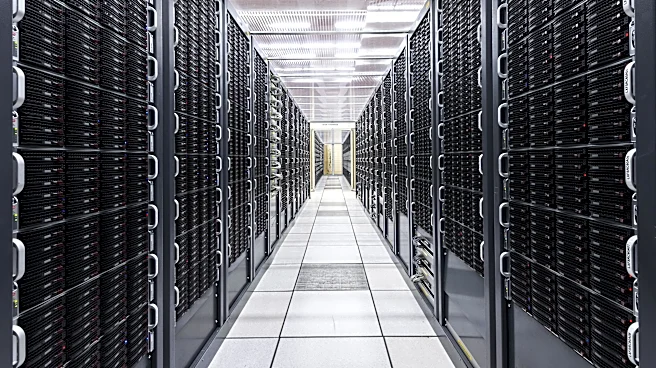
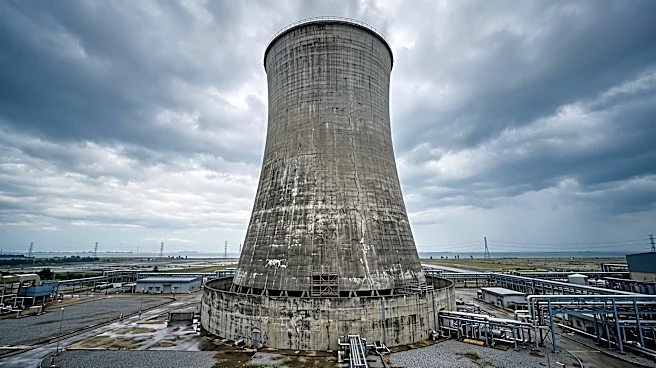
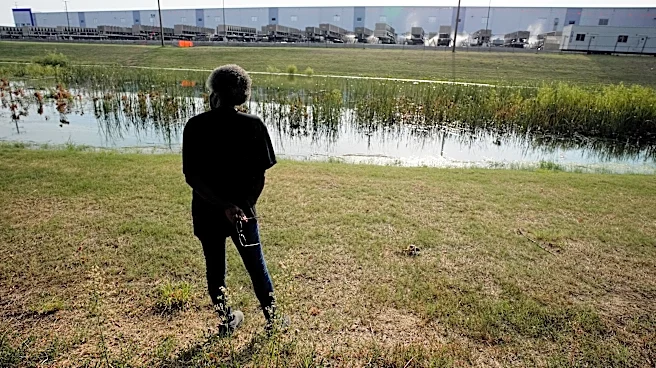
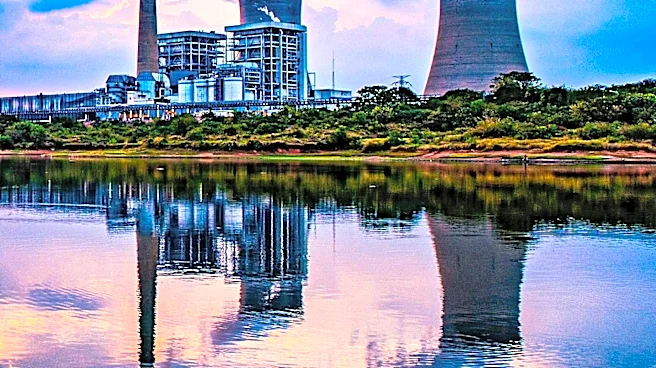
A recent North Dakota Poll reveals widespread concern among residents regarding the potential strain data centers could place on the state's electricity and water resources. Seventy-six percent of respondents expressed concern about data centers increasing
electricity bills, with 49% being 'very concerned.' This concern was highest in Fargo and Cass County, where 54% were 'very concerned.' Similarly, 76% of North Dakotans are worried about data center water usage straining local systems, and 45% are 'very concerned.' The poll, commissioned by the North Dakota News Cooperative, also found that 42% are more concerned about AI data centers than traditional ones. State Representative Zachary Ista noted that these concerns about risks outweigh optimism regarding potential tax revenue and job creation, with only 19% seeing data centers as important for job creation and 23% for local tax revenue. Overall, 45% oppose AI data center development statewide.
Why It's Important?
The poll results highlight a significant public perception challenge for the data center industry and state policymakers in North Dakota. The high level of concern about electricity costs and water usage could lead to increased public pressure for stricter regulations and potentially hinder future data center development. This is particularly critical as North Dakota seeks to balance economic growth from new technologies with environmental sustainability and resident well-being. The findings suggest that while businesses like Otter Tail Power Company and Minnkota Power Cooperative claim data centers will bear their own infrastructure costs, public trust and understanding are low. If not addressed effectively, these concerns could translate into political opposition, impacting legislative decisions and the state's attractiveness for technology investments. The debate also touches on the broader national discussion about the environmental footprint of the rapidly expanding tech sector.
What's Next?
Stakeholders, including utility companies and state officials, will likely need to intensify their efforts to educate the public and demonstrate how data center development can be managed responsibly. Arik Spencer, CEO of the Greater North Dakota Chamber, emphasized the need for practical regulation and a focus on facts to address perceptions. Utility providers like Josh Kramer of the North Dakota Association of Rural Electric Cooperatives and Mac McLennan of Minnkota Power Cooperative are stressing that data centers are responsible for their own infrastructure costs to insulate existing customers. State Senator David Hogue believes current utility policies are sufficient, but public sentiment may push for legislative action. Future discussions will likely center on ensuring transparency in cost allocation, exploring innovative water and energy conservation methods for data centers, and potentially developing state-level oversight to mitigate perceived risks and build public confidence.
Beyond the Headlines
The concerns raised in North Dakota reflect a growing national dialogue about the environmental and economic impacts of large-scale data infrastructure. The increasing demand for AI and other data-intensive technologies means more data centers, which are significant consumers of electricity and water. This situation presents a complex challenge: how to foster technological advancement and economic development without unduly burdening local resources or residents. The unique position of North Dakota, with its oil wells producing natural gas that needs to be captured and used, offers a potential solution for powering data centers, turning a waste product into an energy source. However, the poll indicates that this potential benefit is not yet alleviating public anxiety, suggesting a need for more integrated and transparent communication strategies that connect resource utilization with broader economic and environmental benefits.