



What's Happening?
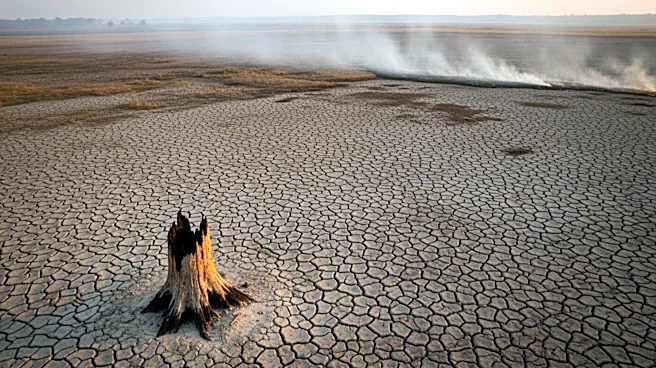
A series of wildfires erupted across New York in late April, raising concerns about the causes during a particularly dangerous time of year. According to the New York State Department of Environmental Conservation, these fires were largely preventable,
with causes ranging from illegal burns to equipment failures and roadside hazards. Notably, a faulty catalytic converter in Warren County sparked five separate roadside fires, necessitating the response of over a dozen responders, including 11 forest rangers. The fires, which burned between two and 11 acres, occurred in various regions, including Otsego, Chenango, and Lewis counties. The state's annual residential brush burning ban, in effect through May 14, aims to mitigate such risks during dry conditions when dormant vegetation can easily ignite.
Why It's Important?
The wildfires in New York highlight the critical need for adherence to safety regulations and the potential consequences of negligence. These incidents underscore the importance of the state's burn ban and the role of controlled burns in reducing fire risk. The economic and environmental impacts of wildfires can be significant, affecting local communities, wildlife, and air quality. The response to these fires also places a strain on emergency services and resources. By understanding the preventable nature of many of these fires, there is an opportunity to educate the public and reduce future occurrences, ultimately protecting both people and the environment.
What's Next?
State officials are likely to continue emphasizing the importance of the burn ban and may increase enforcement efforts to prevent further incidents. Public awareness campaigns could be intensified to educate residents about the risks associated with illegal burns and equipment failures. Additionally, the Department of Environmental Conservation may expand its use of controlled burns to manage vegetation and reduce fire hazards. As the dry season progresses, monitoring and preparedness will be crucial in mitigating the risk of wildfires.
Beyond the Headlines
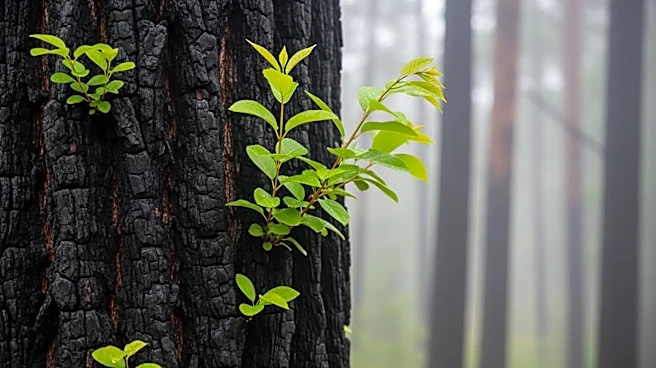
The recent wildfires in New York also bring attention to the broader issue of climate change and its impact on fire seasons. As weather patterns shift, regions not traditionally prone to wildfires may experience increased risk, necessitating new strategies for fire prevention and management. The incidents also highlight the need for technological advancements in equipment safety to prevent mechanical failures that can lead to fires. Furthermore, there is a cultural dimension, as communities must adapt to changing environmental conditions and the associated risks.