



What's Happening?
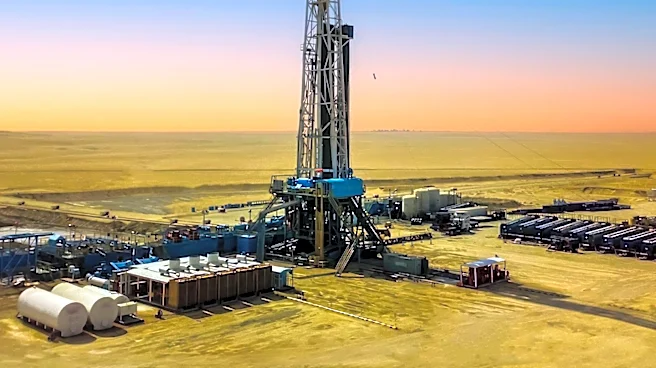
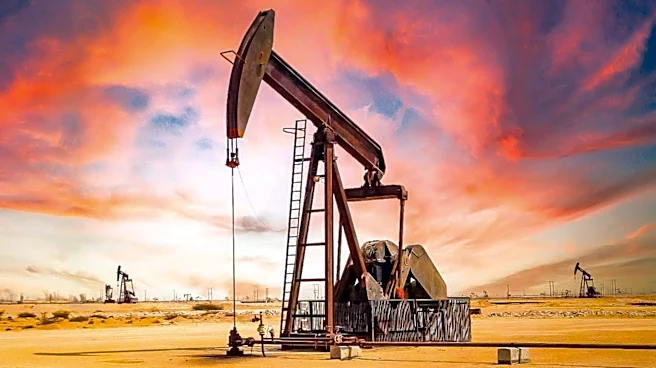
Louisiana is grappling with a rapidly expanding problem of orphan oil and gas wells, with the number increasing by over 4,000 since March 2025, bringing the total to more than 28,400 inactive and orphan wells as of October. A study by Louisiana State
University in March 2025 initially identified approximately 24,400 such wells. The state's current rate of plugging these wells is about 125 per year. At this pace, it would take 50 years to address the existing orphan wells, a conservative estimate that does not account for new wells being added to the list monthly. The Landry administration has acknowledged the issue, implementing a restructuring at the Department of Conservation and Energy and securing a legal settlement with ExxonMobil to assist in plugging coastal wells. However, critics argue these measures are insufficient to tackle the growing crisis effectively.
Why It's Important?
The proliferation of orphan wells poses significant environmental and economic threats to Louisiana. These derelict wells can leak oil, gas, and other toxic chemicals, contaminating drinking water, damaging coastal wetlands, and harming fish and wildlife. Such pollution directly impacts Gulf industries and the livelihoods of workers dependent on a healthy coastal environment. For instance, a well inactive since 1998 was recently found leaking oil and gas into Bayou des Allemands. Furthermore, these wells impede coastal restoration efforts, which are crucial as scientists predict Louisiana could lose 75% of its remaining coastal wetlands by 2070. The financial burden also falls on taxpayers, with Louisiana spending at least $42.6 million in 2024 and 2025 to clean up just 15 orphan well sites, including an $8.2 million project for six offshore wells. Many of these wells were originally operated by major oil companies like BP, Chevron, ConocoPhillips, and ExxonMobil, who often transfer ownership to smaller, less solvent operators to avoid cleanup responsibilities.
What's Next?
Community groups are advocating for a "Countdown to Cleanup" initiative, proposing a 10-year plan to remediate all orphaned and inactive oil and gas infrastructure in Louisiana, with costs borne by the corporations that profited from these projects. This plan calls for stricter regulations, including tracking down former operators to ensure they plug wells before they become orphaned, requiring higher financial securities (like bonds) to cover cleanup costs before drilling commences, closing loopholes that allow companies to pay fees instead of plugging inactive wells, and banning lease transfers to companies with overdue well-plugging obligations. Additionally, developing a plugging plan that prioritizes entire fields rather than individual wells is suggested. The effectiveness of the Landry administration's current efforts and whether they will lead to a more comprehensive and lasting policy shift remains to be seen, as the state's coast continues to face severe environmental degradation.
Beyond the Headlines
The escalating orphan well crisis in Louisiana highlights a systemic issue within the oil and gas industry regarding corporate accountability and environmental responsibility. The practice of larger companies divesting problematic assets to smaller entities, which then become insolvent, effectively shifts the financial and environmental burden onto the state and its taxpayers. This raises significant ethical and legal questions about corporate liability and the adequacy of existing regulatory frameworks. The long-term implications extend beyond immediate environmental damage, impacting public health, the state's economy, and its ability to preserve its unique coastal ecosystems. The situation underscores the need for robust policy reforms that prevent companies from externalizing cleanup costs and ensure that those who profit from resource extraction are held fully responsible for the entire lifecycle of their operations, including decommissioning and remediation.