







What's Happening?
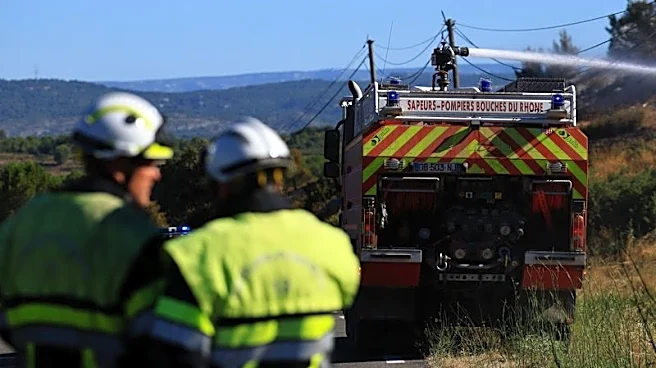
Spain and France are preparing for another potential heatwave, with temperatures expected to reach 44°C in some areas. The recent June heatwave, which was the second-warmest on record, resulted in over 2,000 excess deaths across the two countries. The extreme
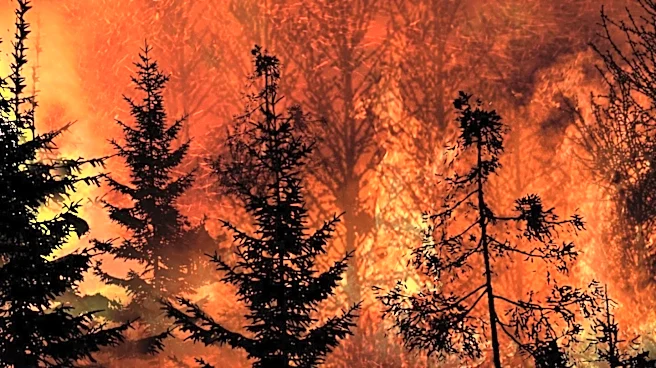
heat has been attributed to the climate crisis, with scientists warning of increased forest fire risks. Authorities are advising vulnerable populations to take precautions as temperatures rise.
Why It's Important?
The recurring heatwaves highlight the growing impact of climate change on public health and safety. The high mortality rates emphasize the need for effective heat response strategies and infrastructure improvements to protect vulnerable populations. The situation also underscores the urgency of addressing climate change at both national and international levels to prevent further extreme weather events.
What's Next?
Authorities in Spain and France may need to implement additional measures to protect citizens from future heatwaves, such as expanding access to cooling centers and improving public health messaging. The ongoing heat events could also influence policy decisions related to climate change mitigation and adaptation, as governments seek to balance immediate public health needs with long-term environmental goals.
Beyond the Headlines
The heatwave raises questions about the adequacy of current infrastructure and public health systems in coping with extreme weather. It also highlights the ethical considerations of using energy-intensive cooling technologies, which may exacerbate climate change. The event may prompt a reevaluation of urban planning and building codes to enhance resilience against future heatwaves.