






What's Happening?
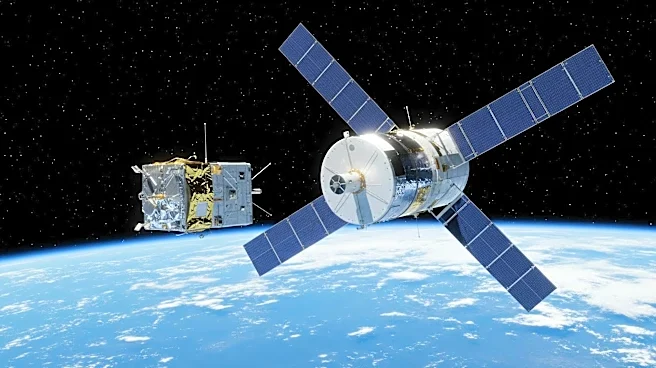
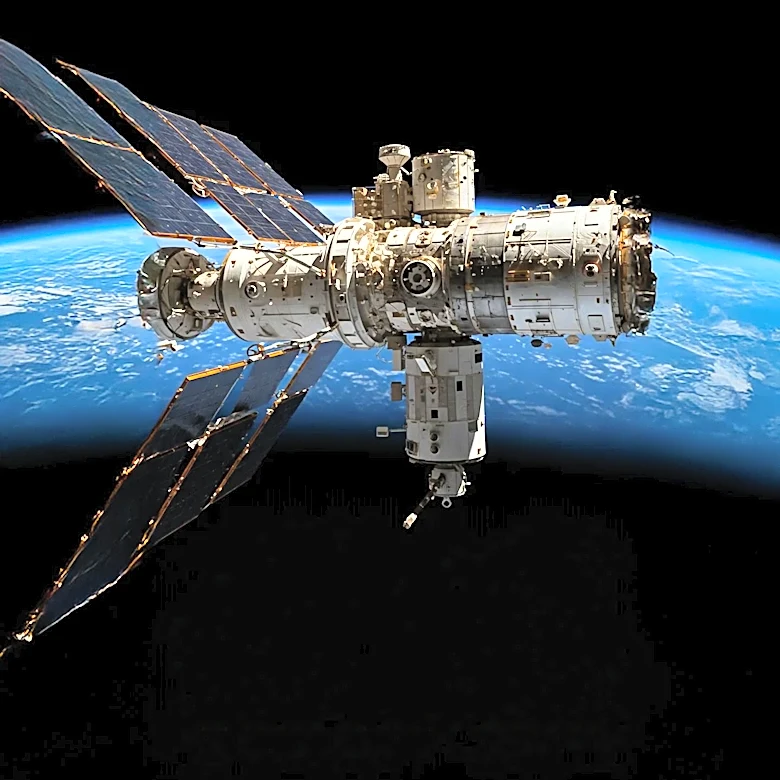
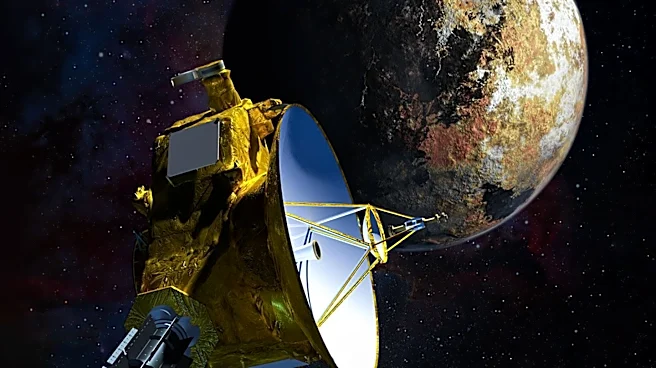
NASA is undertaking a critical mission to save the Neil Gehrels Swift Observatory, a satellite observatory that is descending towards Earth faster than anticipated. The Swift Observatory is renowned for its rapid response to celestial events, distinguishing
it from other sky-gazing satellites. To avert its fall, NASA has collaborated with an Arizona-based startup to deploy a refrigerator-sized robot named Link into lower Earth orbit. This robot is designed to rendezvous with the Swift Observatory and provide it with a necessary boost to stabilize its orbit. The mission represents a pioneering effort to test new technology aimed at extending the operational life of valuable space assets.
Why It's Important?
The mission to save the Swift Observatory is significant for several reasons. Firstly, it underscores the importance of maintaining and extending the life of existing space infrastructure, which is crucial for ongoing scientific research and observation. The Swift Observatory plays a vital role in monitoring and responding to cosmic events, and its loss would be a setback for the scientific community. Additionally, the collaboration between NASA and a private startup highlights the growing trend of public-private partnerships in space exploration, which can lead to innovative solutions and cost-effective strategies. Successfully boosting the satellite's orbit could pave the way for future missions to rescue or extend the life of other satellites, potentially saving millions in replacement costs.
What's Next?
The next steps involve the Link robot successfully reaching the Swift Observatory and executing the boost maneuver. If successful, this mission could set a precedent for future satellite rescue operations, encouraging further investment in similar technologies. Stakeholders in the space industry, including government agencies and private companies, will likely monitor the mission's outcome closely. A successful mission could lead to increased collaboration between NASA and private firms, fostering innovation and efficiency in space operations. Additionally, the technology tested in this mission could be adapted for other applications, such as satellite servicing or debris removal, further enhancing space sustainability.