





What's Happening?
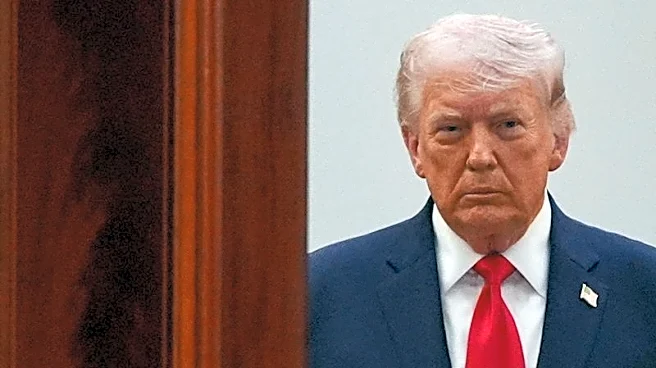
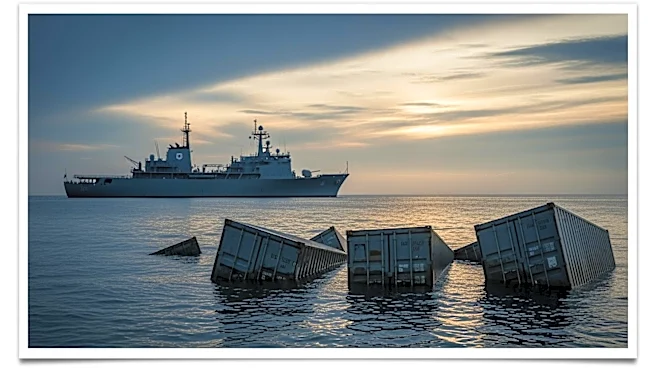
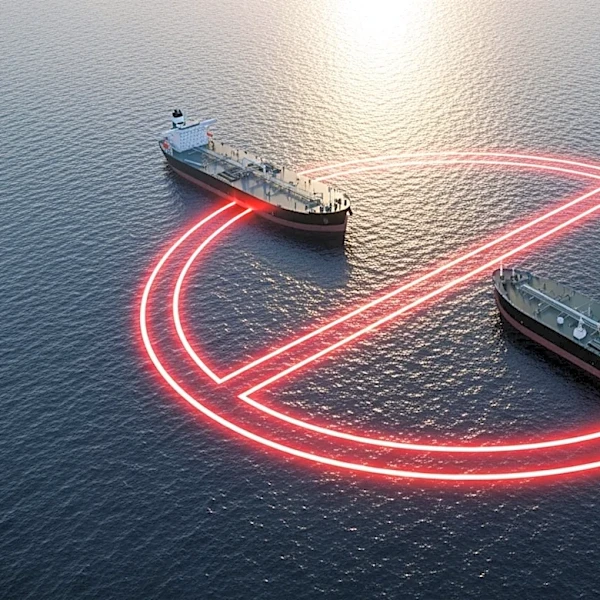
President Trump has declared that the United States will implement a blockade of the Strait of Hormuz after peace talks with Iran failed. This decision comes amid escalating tensions between the U.S. and Iran, which have been exacerbated by the breakdown
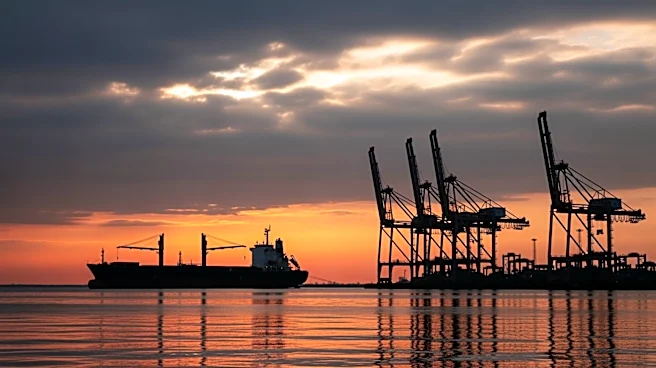
of diplomatic negotiations. The Strait of Hormuz is a critical maritime passage for global oil shipments, and the blockade is expected to have significant implications for international trade and energy markets. The announcement has already led to a surge in oil prices, contributing to inflationary pressures in the U.S. economy.
Why It's Important?
The blockade of the Strait of Hormuz is a strategic move that could have far-reaching consequences for global energy markets and geopolitical stability. As a vital chokepoint for oil transportation, any disruption in the Strait can lead to increased oil prices worldwide, affecting economies dependent on energy imports. For the U.S., higher oil prices could exacerbate inflation, impacting consumer spending and economic growth. Additionally, the blockade may strain relations with allies who rely on the passage for oil shipments, potentially leading to diplomatic challenges.
What's Next?
The international community is likely to respond to the U.S. blockade with diplomatic efforts to de-escalate tensions and seek alternative solutions. Countries affected by the blockade may engage in negotiations to ensure the continued flow of oil through the Strait. Meanwhile, the U.S. government will need to address domestic concerns about rising energy costs and inflation. Political leaders and industry stakeholders will be closely monitoring the situation to assess its impact on global markets and national security.